Holy shit, what? Strength training can raise these?
Is one of the reasons they have normalized because I stopped strength training??
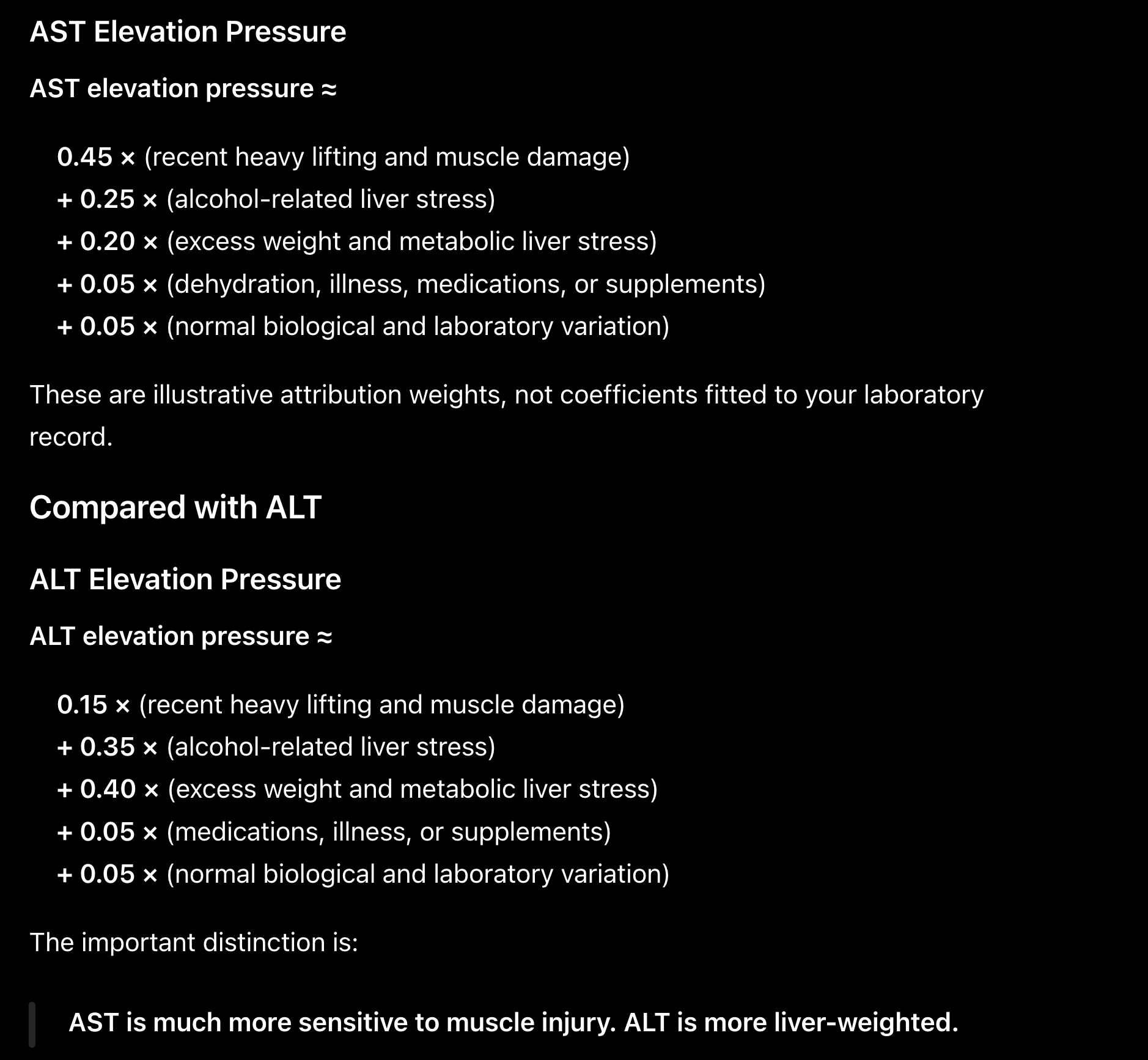
Holy shit, what? Strength training can raise these?
Is one of the reasons they have normalized because I stopped strength training??
Stay away from loosers. You dont need that energy around you.
you are trying to be great.
God has graced me with feet, arms, body.
Its fine if I have issues. But for now, today, I can push it. So I will.
I want to workout.
The basic formula is:
Protein + vegetables + beans or lentils + one concentrated fat.
Protein and fiber make the meal filling. Beef or lamb adds readily absorbed iron. Beans and lentils add fiber, slower-digesting carbohydrates, and additional iron. Vegetables add volume and micronutrients. The main calorie trap is stacking cheese, avocado, hummus, tahini, seeds, guacamole, and oily dressing in the same bowl.
CAVA: Greens + black lentils + grilled steak + grilled chicken + tomato/onion + cucumber + broccoli or cabbage + pickled onions + skhug + lemon + hummus or tahini; skip rice, pita, pita crisps, feta, multiple dips, and multiple dressings.
Chipotle: Salad bowl + steak + chicken + black beans + fajita vegetables + tomato salsa + tomatillo salsa + extra lettuce; optional guacamole; skip tortilla, chips, queso, sour cream, cheese, and vinaigrette; add light rice only around long training sessions.
Just Salad: Supergreens/spinach/kale + extra roasted chicken + edamame, chickpeas, or lentils + broccoli + tomatoes + cucumber + peppers or carrots + lemon + light vinaigrette; choose no more than one of avocado, cheese, seeds, or heavy dressing.
Whole Foods: Lean beef, chicken, or salmon + lentils or beans + two vegetables; avoid creamy sauces, fried sides, mac and cheese, and excessive hot-bar oil.
Indian: Lamb tikka, tandoori lamb, kebab, or a less-creamy lamb curry + dal or chana + vegetables; moderate rice; usually skip naan.
Shawarma: Beef or lamb shawarma + extra chicken if available + salad + lentils, chickpeas, or hummus + tomato + pickles + lemon; use garlic sauce or tahini lightly; skip fries and large pita portions.
My normal fast-casual choice is one serving of beef or lamb plus extra chicken, not double beef. That supplies some heme iron while keeping total saturated fat lower than an all-red-meat meal.
Chicken remains the everyday protein. Beef and lamb are strategic additions. Salmon remains in the rotation for protein and omega-3 fats, but it is not a major iron source.
Regular choices:
Occasional choices:
A 12–16-ounce ribeye is a full indulgent meal, not an iron supplement disguised as dinner.
I am not eliminating carbohydrates. I am prioritizing carbohydrates that contain fiber and are harder to overeat.
Regular: vegetables, lentils, beans, chickpeas, edamame, berries, modest whole fruit.
Strategic: potatoes, rice, oats, and intact whole grains, especially around longer training.
Rare: chips, pita crisps, tortillas, naan, pastries, desserts, juice, sweetened coffee, regular soda, and calorie-heavy smoothies.
Beans and lentils stay. They contain carbohydrates, but they also provide fiber, protein, minerals, and better satiety than refined starch. At CAVA or Chipotle, lentils or beans are generally more useful than a large serving of rice.
Choose one concentrated fat per meal:
Do not combine several automatically. A salad can easily become a 1,200-calorie meal through sauces, cheese, avocado, seeds, and oil even when every ingredient sounds healthy.
Use beef or lamb several times per week, pair it with lentils or beans, and include vitamin-C foods such as lemon, tomatoes, peppers, or broccoli. The meat supplies heme iron and may also improve absorption of plant iron from the rest of the meal.
Keep coffee and tea roughly one to two hours away from iron-focused meals. For iron absorption, the main issue is coffee’s polyphenols rather than caffeine itself. Caffeine matters separately because excessive or late intake can worsen sleep.
Food improves iron intake, but it may not replace treatment when iron stores are already depleted or ongoing blood loss continues.
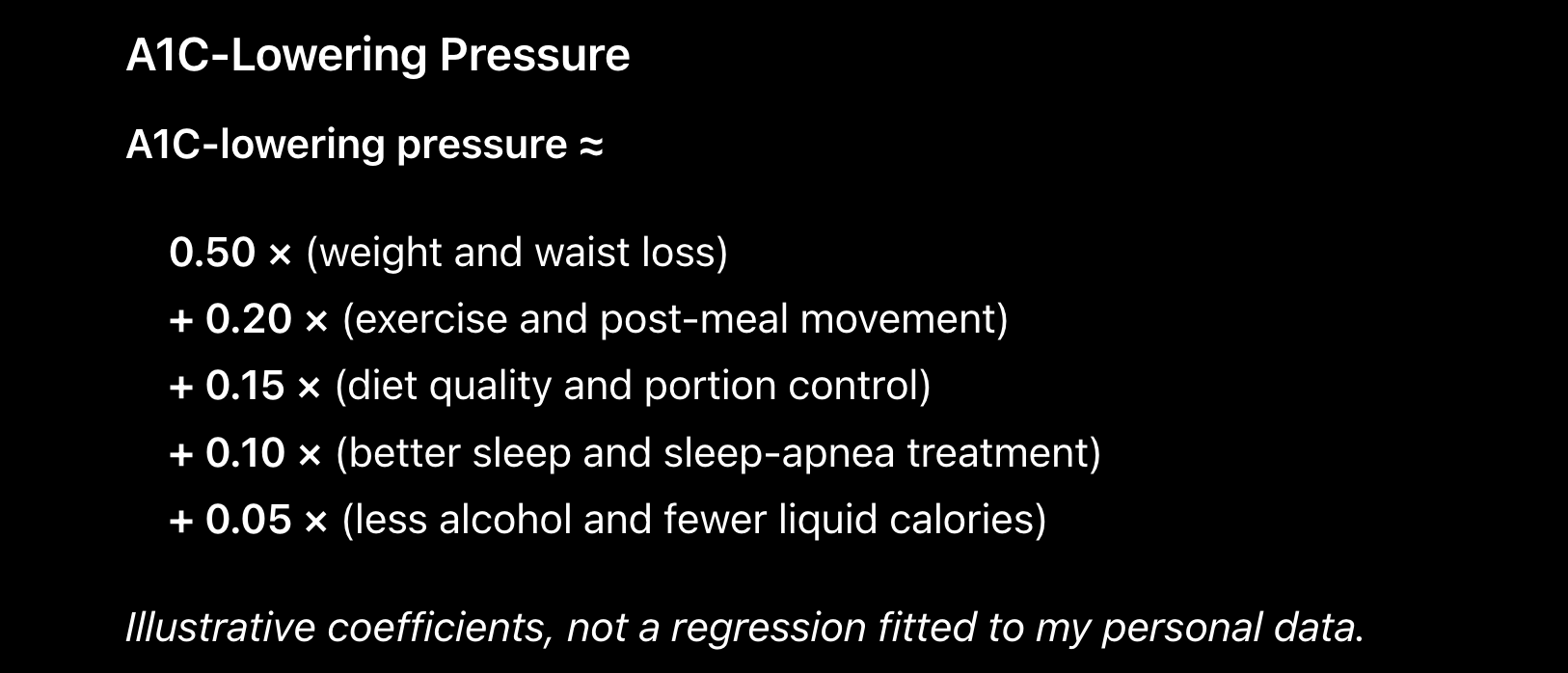
The diet lowers A1C only if it also lowers average glucose exposure and produces sustainable weight loss. “Low carb” does not automatically mean “low calorie.” Double meat, cheese, tahini, guacamole, oil, nuts, and a large dinner can still prevent weight loss.
The priorities are:
Monday: CAVA steak + chicken + lentils.
Tuesday: Just Salad extra chicken + edamame or lentils.
Wednesday: Chipotle steak + chicken + black beans.
Thursday: Salmon + vegetables + beans or lentils.
Friday: Beef/lamb shawarma or grilled Indian lamb + salad + legumes.
Weekend: Chicken, salmon, eggs, lean beef, or lamb; large ribeye occasionally.
Start with protein. Add vegetables. Keep beans or lentils. Choose one concentrated fat. Use steak plus chicken rather than double steak. Rotate red meat with chicken and salmon. Skip liquid calories and routine refined starch. Keep coffee away from iron-focused meals. Use rice around genuine training needs. Walk after eating. Judge the plan by weight, waist, energy, and laboratory trends.
The plan is repetitive by design. A complicated diet can work for a few days. A handful of automatic orders can work for years.
ChatGPT reverse engineered my bevahiors well. Which means my behavior changes do move the needle.
It is clear that the lack of sleep and iron food is causing a deep issue. This is primary concern now.
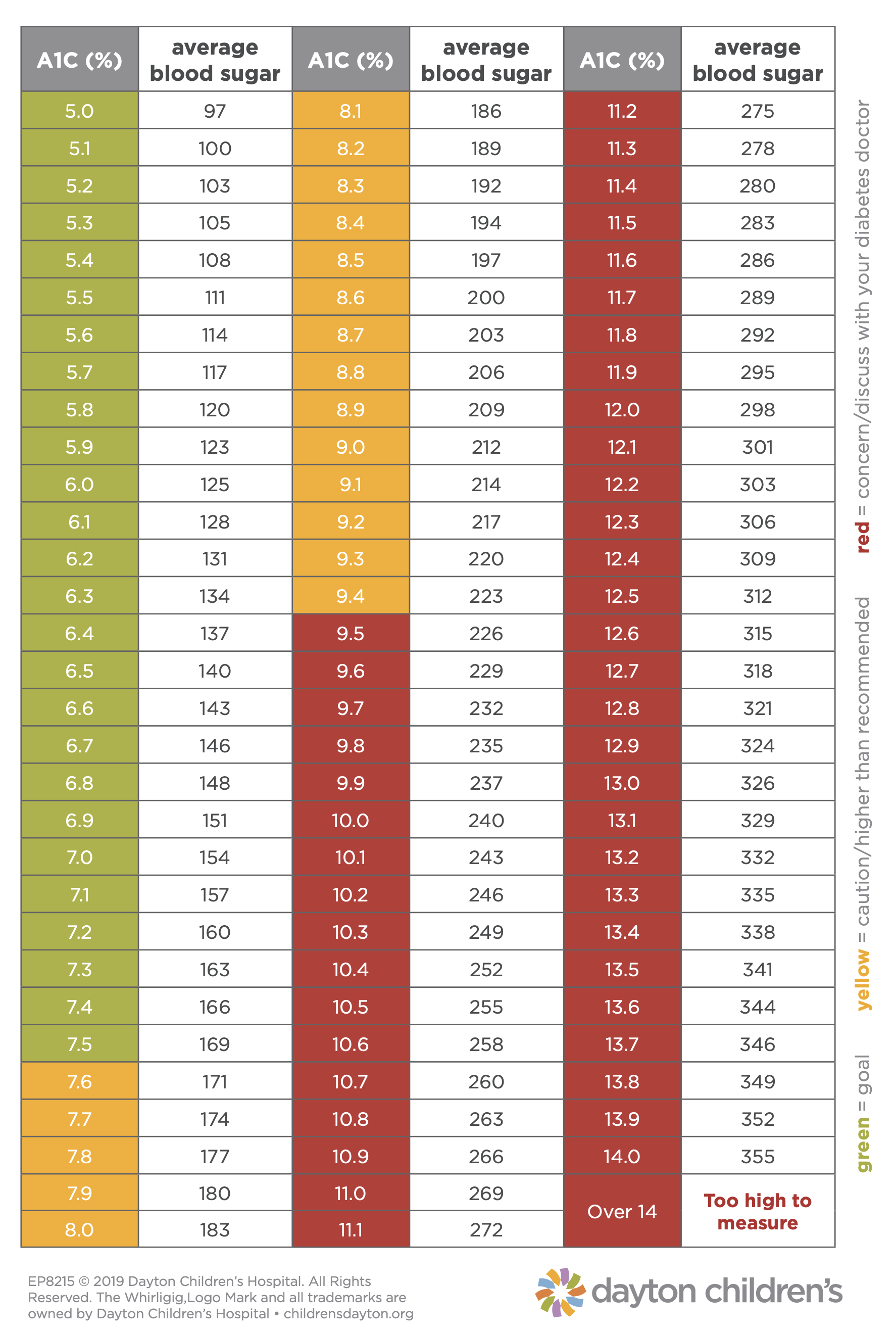
I got the test results. I basically have anemia. A1C is slightly better.
Look, its not as catastrophic as I thought it would be. It’s better than I expected by far. Still a way to go, but it feels better.
A1C, iron and maybe ldl needs to be addressed. Those are my main blood issues right now.
Also, I put everything in chatgpt’s health system. I put 13 years of blood tests. Its amazing how well it can infer changes in my life.
It did detect that the last few years have been a massive change / improvement. It can see I did better on many fronts. BUT, it is showing some markers of stress to the body like lack of sleep.
The high aerobic load I added is great. But, I seem to have sacrificed recovery which, when combined with cutting out red meat (largely), has lead to low iron. That’s the running hypothesis.
Excessive caffeine use with much less sleep than I used to could be a controlling factor.
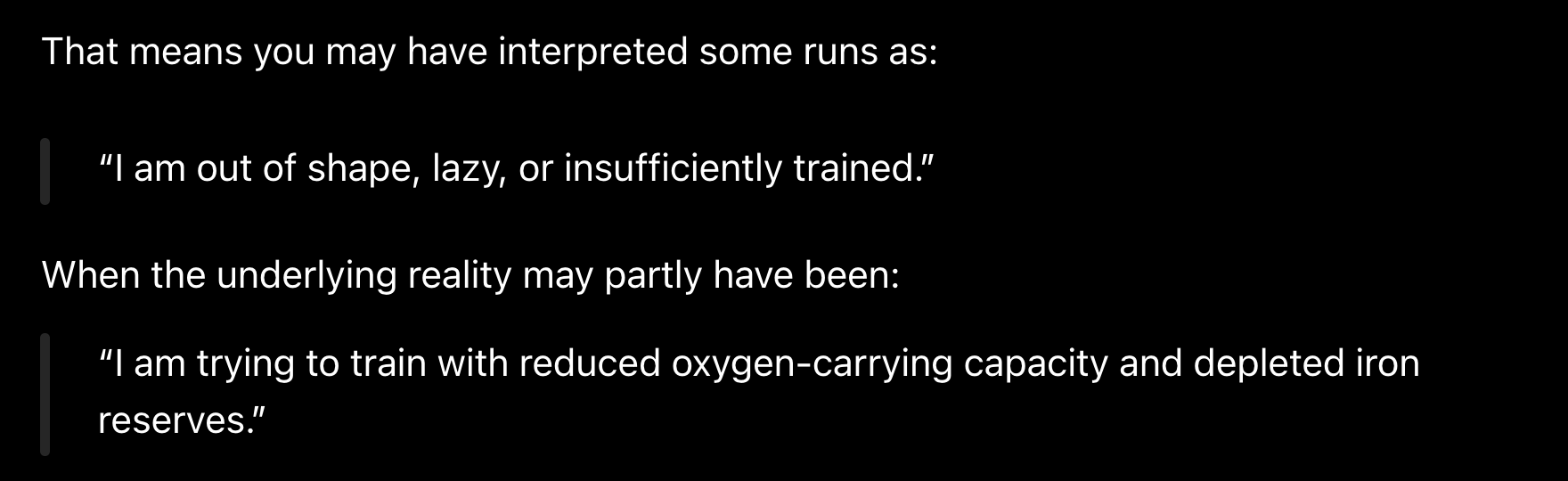
I think I am getting a better picture of my health.
Today my health is not perfect. Often when I get into these states, I give up. I dont see results and Im like fuck it.
The problem is, sometimes the blunt hammer needs adjustment. And its hard to adjust without measurement.
Remember in 2020, you went alternate day fasting. Rapid weight loss. Then plateau. And then you gave up.
The critical thing is to measure, identify the problem, and then figure out the next steps to continue with the progress!
| Factor | Rough standardized coefficient | My interpretation |
|---|---|---|
| Chronic blood loss (where??) | +1.00 | Main engine of iron leaving the body |
| Loss of beef/heme-iron intake | +0.45 to +0.70 | Removed the dietary replacement that had probably been compensating |
| Running load | +0.25 to +0.50 | Meaningful accelerator given zero prior running, high body weight, long duration and low iron availability |
| Coffee near meals/iron | +0.10 to +0.25 | Reduces absorption, especially from plant food or supplements |
| Other GI absorption/source | 0 to +0.50 | Unknown until H. pylori, celiac disease, stomach and colon causes are evaluated |
| Chest drainage | 0 to +0.05 | Unless it is visibly bloody and repeatedly soaking dressings |
| Poor sleep | 0 to +0.05 direct | Almost no direct effect on ferritin; much larger effect on fatigue and recovery |
High protein, low carb, poultry-and-seafood-forward, dairy-inclusive, vegetable-heavy, and realistic for someone who does not want cooking to become a second job.
After 15 years, I want to give low carb a try again. Back then, I was eating bacon and burgers without buns.
But this time, I want to do it better and more sustainably.
Attempt 1:
Some heuristics
The goal is simple: improve glucose, insulin, blood pressure, hunger, and weight while eating in a way I can actually sustain.
I am lazy about food. I eat out often. I do not want elaborate recipes or constant meal prep. I also do not feel particularly good eating much red meat, so this plan is built mostly around chicken, seafood, eggs, dairy, and vegetables.
Most meals should contain:
A large serving of protein + vegetables + one source of fat
Examples:
Chicken is the default. Fish and seafood provide variety. Eggs and dairy cover breakfast, snacks, and meals when I do not want to cook.
Red meat is optional and infrequent.
I am not going to obsess over the small amount of carbohydrate in vegetables.
Easy options:
Frozen vegetables count. Pre-cut vegetables count. Convenience is more important than pretending I will suddenly become a chef.
Dairy stays.
My main choices:
Milk contains carbohydrates, so I will count it rather than ban it.
Cheese is a useful ingredient, not an unlimited snack.
I am not trying to eat as much fat as possible. I am trying to eat enough fat to make meals satisfying.
Main choices:
Butter and cream are allowed, but they do not need to become the foundation of every meal.
Keep it simple:
Berries are a portioned food, usually added to yogurt rather than eaten by the giant bowl.
Alcohol should be rare, especially during the first few weeks. Even low-carb alcohol can interfere with sleep, appetite, blood pressure, and food decisions.
My freezer should prevent bad decisions after a long workday.
Keep stocked:
The emergency meal is:
Frozen protein + frozen vegetables + olive oil, butter, dressing, or sauce
These are tools, not the foundation:
They can help during busy periods, but I do not want to rebuild my old snack diet using keto-branded substitutes.
Even when technically low carb:
Low carb does not make calories disappear.
I am chilling at a resort. One of your favorites. It is peaceful and quiet. I just wanted to add an update on whats going.
I first started this blog in 2013 – 13 years ago. I then revived it in late 2022 as I embarked on the Marathon goal in 2024. This blog was CRITICAL for me to externalize my thoughts as I charged towards that goal which I FINISHED. It was one of the most amazing days of my life to walk back from that finish line. My timing sucked, but I proud that I finished it. What the fuck man – I ran the fucking NY Marathon.
My twenties were carefree. I fucked around, but also tested some limits of my body with strength training. I definitely abused food. I took it to the limit.
My thirties were similar until recently. The alcohol abuse went very high. I peaked with food abuse a few years ago with 3 am pizzas and burgers. I used to load up on 4000 calories post 2 am. How the hell did I even survive this far?
This blog, though, helped me remain on the path to the Marathon despite my short comings. As you probably know, the Marathon is more about the training than it is about that point in time delivery. More so than any normal race. But in my situation, I did a “dirty Marathon training session”.
Basic learning: This blog is magical to my evolution. If I use it right.
What does it mean to use it right?
I cannot go into my 40s in the shape that I am in. I am 60 to 80 pounds overweight. The marathon training did not help me. My BP is high .. 140s/90s. I don’t want to be medicated. I dont even want to use GLP if I can avoid it. And my strength has been declining. And I pray to God that I will have a few kids, so I need to be able to progress on what I want through that.
Life cannot pause. You cannot be sequential about things. You cannot solve the health problem and then pivot to the other things. Nope. You have to keep making progress constantly. And for this, you need systems you can trust. For health, this is what I have been searching for a long time. I have constantly been disappointed. But here is an attempt.
Concierge Doctor
I am an overthinker when it comes to health. I remain in my fears. I try useless shit. I am bad at measuring. I am so knowledgeable (see The Game of Hormones and Enzymes – Insulin Resistance, Sensitivity and Fat metabolism) and I over plan. But then I dont commit. Part of the lack of commitment is that perhaps I dont have a clear simple thing to think about on a DAILY basis. And I dont get feedback.
Here comes the Concierge Doctor. I wont mention who this is. It is a famous one. I am paying them a retainer fee. They say the specialize in metabolic health, remote sensing, and tracking. This can be my executive team to get healthier. My goals are straight forward:
Can I trust this Dr? Can I trust this system?
I am going to have to trust the system. And I need to owe it to myself to be discplined. I cannot let myself down. And I cannot let these Doctors down. I cannot let K down — she gave me an ultimatum.
I cannot let my progeny down.
And most importantly, I cannot let you down. You are me from 20 years. I am doing this for you.
LEG WORKOUT
NO MARATHON — HIIT AND STRENGTH INSTEAD AND HE DID KETO
Here is a summary of the video “How I Cleaned Out My Arteries In 1 Year” by Dr. Thomas Fordham Brewer in bullet form:
Dr. Brewer’s Initial Discovery & Health Background
What “Reversing Plaque” Actually Means
How He Cleaned His Arteries in 1 Year
Jogging Doesn’t Cause Heart Attacks: When Dr. Brewer first discovered his plaque, he panicked during one of his half-marathon runs, fearing he might suddenly drop dead in the middle of nowhere. However, he had to talk himself down and remember his own medical training: exercise like jogging does not cause heart attacks. The plaque (caused by inflammation and insulin resistance) is the danger, not the act of jogging itself.
But it wasn’t the cure, either: While jogging didn’t cause his plaque, his decades of marathon running also didn’t prevent it. That is why he realized he couldn’t just keep jogging and expect things to change. He specifically traded in his distance jogging for High-Intensity Interval Training (like uphill sprinting) to build heavy leg muscle, which acts as a sponge for excess blood sugar.
The Results
Here are detailed bullets outlining the key points from Dr. Brewer’s video, “Top 3 BEST Ways to Lower Blood Sugar Naturally & Fast!”:
The Danger of Blood Sugar Spikes
Strategy 1: Food Sequencing (Protein/Fat Before Carbs)
Strategy 2: Post-Meal Muscle Contraction
Strategy 3: Targeted Supplementation
The Rise of Heart Attacks in the Young
Dietary Guidelines
Exercise Recommendations
Understanding Your Lipid Profile
Stress and Lifestyle
Identifying and Surviving a Heart Attack
 | Don’t total yo… on Fuck Carpe Diem |
| Update: Game of Horm… on The Game of Hormones and Enzym… |
 | The Cost of Cowardli… on Courage |