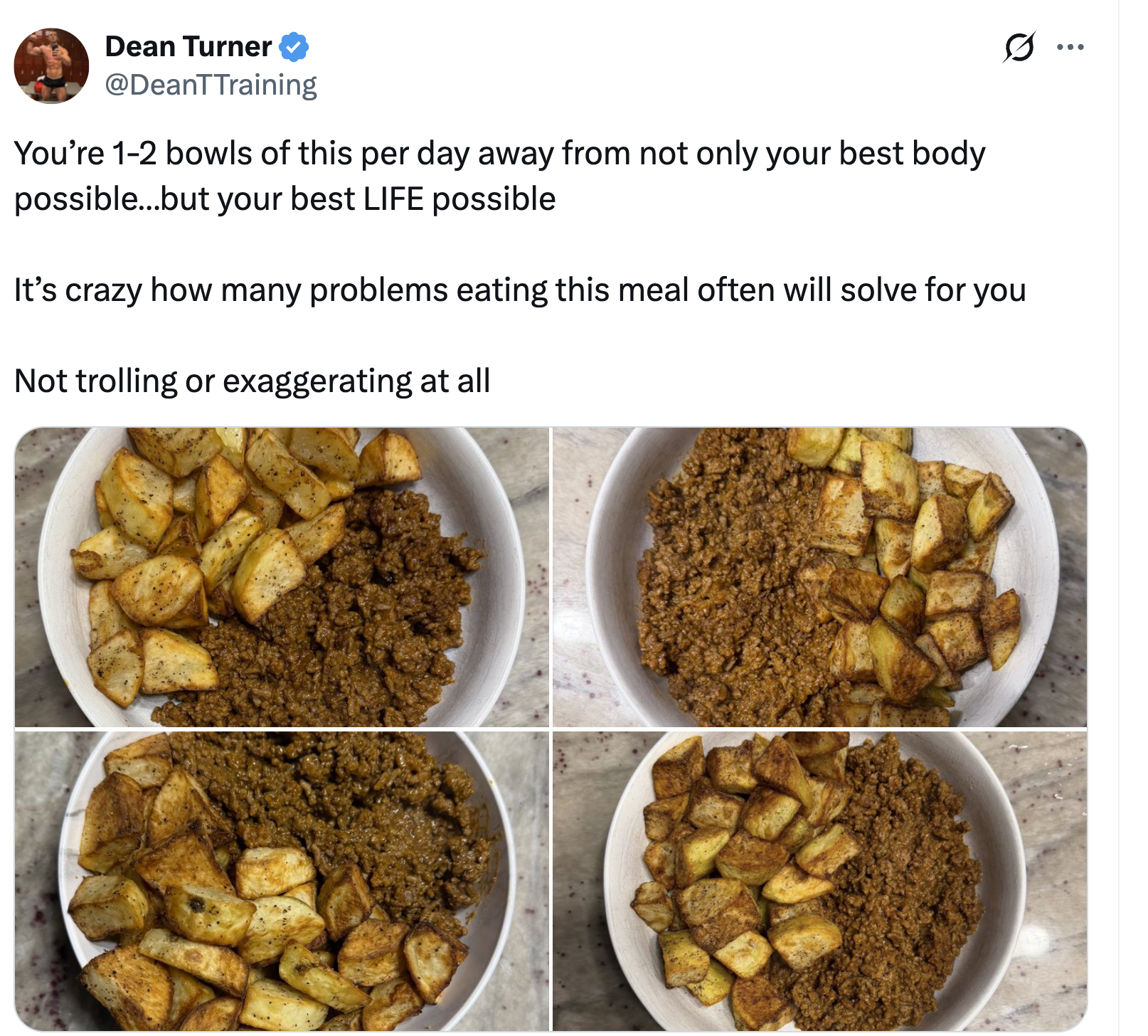
What is it doing?
Removes the clots?
Wow what a fucking dumb 3 months this has been.
I hate the feeling of being unsettled. I hate breaks in my routine. This apartment thing totally disrupted me.
The goal now is to keep the marathon optionality high. So keep training baseline. Dont go too hard. Handle your other business.
Highlights
•
Prolonged exhalation increases risky decisions by increasing reward sensitivity
•
Prolonged exhalation increases parasympathetic but not sympathetic activity
•
Greater parasympathetic activity predicts reward sensitivity in the vmPFC and precuneus
Summary
Successful decision-making requires that external information be interpreted in the context of the body’s state. Within the framework of body-brain interaction, deliberately modifying one’s autonomic state can shape how we evaluate the world, ultimately influencing choices. Yet, it remains unclear whether and how intentional autonomic regulation affects human decision-making. In this study, we tested instructed use of prolonged exhalation, a slow-breathing technique designed to boost parasympathetic activity during risky decision-making. Participants followed distinct breathing protocols while making risky choices, with neural and physiological activity measured using functional magnetic resonance imaging (fMRI) and multichannel monitoring. Prolonged exhalation increased risky choices by enhancing reward sensitivity and elevating cardiac parasympathetic activity. Importantly, individuals with greater parasympathetic upregulation also showed stronger reward-related responses in the ventromedial prefrontal cortex and precuneus. Our work reveals the transformative role of breathing-based interventions, demonstrating that autonomic regulation via breathing can shape value-based decision-making through neuro-cardiac pathways.
I’ll pull the article details first, then reduce it to plain-language bullets and flag the main takeaway versus the caveats.Thought for 22s
Dr Sudhir Kumar MD DM
@hyderabaddoctor
·
Jun 20
2/n
The biggest factor was running.
🔸For the first 2 years, I averaged 10–15 km/day. Over the last few years, I have averaged 6-8 km/day.
🔸Regular aerobic exercise trains the heart to pump more blood with each beat, so it doesn’t need to beat as often at rest.
Dr Sudhir Kumar MD DM
@hyderabaddoctor
·
Jun 20
3/n
Weight loss also played a major role.
🔸I reduced my weight from 100 kg to 71 kg (-29 kg).
🔸Excess body weight increases cardiac workload and sympathetic nervous system activity. Weight reduction often leads to a lower resting heart rate.
Dr Sudhir Kumar MD DM
@hyderabaddoctor
·
Jun 20
4/n
Sleep was another important factor.
🔸Earlier I used to sleep 5–6 hours/night. Now, I sleep 7–8 hours/night.
🔸Poor sleep is associated with higher sympathetic (“fight-or-flight”) activity and a higher resting heart rate. Better sleep allows the body to recover and the autonomic nervous system to rebalance.
Dr Sudhir Kumar MD DM
@hyderabaddoctor
·
Jun 20
5/n
What is a normal resting heart rate?
🔸For most adults, the ‘normal’ resting HR is 60–100 bpm.
🔸However, many healthy and physically active individuals have resting heart rates between 40–60 bpm.
🔸Elite endurance athletes may be even lower.
Dr Sudhir Kumar MD DM
@hyderabaddoctor
·
Jun 20
6/n
How can you lower your resting heart rate?
✅ Regular aerobic exercise (walking, running, cycling, swimming)
✅ Weight loss if overweight or obese
✅ Better sleep
✅ Smoking cessation
✅ Stress reduction (Yoga, meditation, breathing exercises)
✅ Abstaining from alcohol
✅
Show more
Dr Sudhir Kumar MD DM
@hyderabaddoctor
·
Jun 20
7/n
Why does a lower resting heart rate matter?
🔸Because it is often a marker of better cardiovascular fitness and autonomic balance.
🔸A lower resting heart rate generally reflects a more efficient heart that can pump more blood with fewer beats.
Dr Sudhir Kumar MD DM
@hyderabaddoctor
·
Jun 20
8/n
Multiple large studies have shown a dose-response relationship:
✅As resting heart rate rises, the risk of cardiovascular disease, heart failure, stroke, and premature death also tends to increase.
✅In general, lower resting heart rates are associated with better long-term
Show more
Dr Sudhir Kumar MD DM
@hyderabaddoctor
·
Jun 20
9/n
✅A meta-analysis involving more than a million individuals found that every 10 bpm increase in resting heart rate was associated with a significant increase in all-cause and cardiovascular mortality.
🔸The relationship is remarkably consistent across populations.
Zinc increases weight loss by 3X and hip circumference decrease by 10X (!) in trial. This study put people on weight loss diets of roughly ~300 calories fewer than baseline. Those taking 30 mg of zinc: ➟ Lost ~10 lb (placebo lost <3) ➟ Lost ~2 inches off their waist (placebo 0.6) ➟ Lost ~1.9 inches off their hips (placebo 0.19) They also showed better insulin, blood sugar, and inflammatory markers. Thought to be due to zinc’s ability to regulate the central melanocortin system.
𝗙𝗮𝘀𝘁𝗶𝗻𝗴 𝗜𝗻𝘀𝘂𝗹𝗶𝗻
Target: below 5 μIU/mL. Ideal: 3-4.
This is the 10-year warning bell your standard panel completely misses. Your glucose and A1c can look “normal” for a decade while your pancreas is working overtime to keep them there. Fasting insulin catches insulin resistance 5-10 years before your A1c moves. By the time A1c rises, the damage is already extensive.
𝗛𝗢𝗠𝗔-𝗜𝗥
Target: below 1.0.
Calculated from fasting insulin and fasting glucose. The single best measure of insulin sensitivity. Above 1.0 and your metabolism is already under strain. Above 2.5 and you’re insulin resistant — even if every other number looks fine.
𝗛𝗯𝗔𝟭𝗰
Target: below 5.4%.
Not below 5.7% — that’s the threshold where medicine calls you “prediabetic.” By then you’ve been metabolically compromised for years. Optimal is below 5.4%. Blood sugar mastery is longevity mastery.
𝗧𝗿𝗶𝗴𝗹𝘆𝗰𝗲𝗿𝗶𝗱𝗲 : 𝗛𝗗𝗟 𝗥𝗮𝘁𝗶𝗼
Target: below 2. Ideal: below 1.
Your metabolic health crystal ball. This ratio predicts insulin resistance, cardiovascular risk, and metabolic syndrome better than any single lipid number alone. A ratio above 3.5 is a red flag regardless of what your total cholesterol says.
𝗔𝗽𝗼𝗕
Target: below 80 mg/dL for moderate risk. Below 60 for high risk.
I’ve written about this extensively. ApoB counts every atherogenic particle hitting your artery walls. A 2024 analysis found 54% of patients had dangerous levels that standard LDL testing completely missed. If you only know your LDL, you’re driving with one eye closed.
𝗟𝗽(𝗮)
Test once in your lifetime.
100% genetic. 1 in 5 Americans are elevated. Triples heart attack risk independently of everything else on this list. Diet and exercise cannot lower it. The 2026 ACC/AHA guidelines now recommend everyone be tested. Most never have been.
𝗵𝘀-𝗖𝗥𝗣
Target: below 1.0 mg/L.
You can have perfect cholesterol and inflamed arteries silently preparing to rupture. hs-CRP measures the fire behind the plaque. The JUPITER trial proved that finding and treating inflammation saves lives — even when lipids look fine. If this number is elevated, your mouth, your gut, your metabolic health, and your visceral fat are the first places to investigate.
𝗩𝗶𝘁𝗮𝗺𝗶𝗻 𝗗
Target: 50-80 ng/mL.
Not the bare minimum of 30 your doctor accepts. Suboptimal vitamin D is linked to higher inflammation, weaker immunity, increased cardiovascular events, worse mood, and poorer outcomes across nearly every disease I treat. Supplement D3 with K2 — without K2, calcium deposits in your arteries instead of your bones.
𝗧𝗲𝘀𝘁𝗼𝘀𝘁𝗲𝗿𝗼𝗻𝗲 (𝗧𝗼𝘁𝗮𝗹 + 𝗙𝗿𝗲𝗲)
Men: optimal range 600-1000+ ng/dL total.
Declining testosterone is an independent predictor of cardiovascular death in men. It’s tied to insulin resistance, arterial stiffness, visceral fat accumulation, and systemic inflammation. DHEA-S drops 10-20% every decade after 30. Tracking these isn’t about vanity — it’s evaluating your body’s systemic resilience.
𝗕𝗹𝗼𝗼𝗱 𝗣𝗿𝗲𝘀𝘀𝘂𝗿𝗲
Target: below 120/80. Aim closer to 110/70.
Every point above optimal is cumulative arterial damage. Buy a home cuff. Measure morning and evening, seated quietly for five minutes, arm at heart level. White-coat readings in the office miss what’s really happening. The smartest $40 investment in cardiac self-care.
𝗩𝗢𝟮 𝗠𝗮𝘅
Men over 40: above 40 mL/kg/min. Women over 40: above 35.
Cardiorespiratory fitness is the single strongest predictor of all-cause mortality — stronger than smoking, diabetes, or heart disease as individual risk factors. A landmark study in JAMA found that extreme fitness was associated with the lowest mortality with no upper limit of benefit. You can estimate VO2 max with a timed mile, a rower test, or a wearable. Get faster every year.
𝗡𝘂𝗺𝗯𝗲𝗿 𝗼𝗳 𝗠𝗲𝗱𝗶𝗰𝗮𝘁𝗶𝗼𝗻𝘀
Target: as few as possible.
Every medication you’re on should be earning its place. I just wrote about five commonly prescribed drugs that do more harm than good with long-term use. Bring your full medication list to every appointment. Ask: “Do I still need this?” Deprescribing is one of the most powerful and underused tools in medicine.
ꟷꟷꟷ
Thirteen numbers. Most available through cheap bloodwork and simple tests. Get them once or twice a year. Here’s what I want you to understand: these numbers don’t just tell you where you are. They tell you where you’re heading. A fasting insulin of 8 today becomes diabetes in five years. An ApoB of 120 today becomes a heart attack in ten. An hs-CRP of 3 today means your arteries are inflamed right now — regardless of how healthy you feel. The standard annual physical checks a fraction of these. It was designed to find disease that’s already there. This panel finds the disease that’s coming — years before it arrives.
What gets measured gets improved. Optimize with the foundation I write about every week on this platform:
Zone 2 cardio plus resistance training 3-4 times per week. High-protein whole-food nutrition. Sleep 7-9 hours — non-negotiable. Morning sunlight. Stress management. And the targeted supplements I’ve covered in detail — creatine, magnesium, CoQ10, D3+K2, glycine, omega-3, psyllium husk.
The breakthroughs coming in the next decade — gene editing for cholesterol, cellular reprogramming, senolytics that clear senescent “zombie” cells driving inflammation and aging, GLP-1 drugs rewriting metabolic medicine — will be most powerful for people who’ve already built the metabolic foundation to receive them.
The future of medicine is personalized. But it starts with knowing your numbers today. Print this list. Book the bloodwork. Own the data. Prevention isn’t passive. It’s the most aggressive thing you can do for the decades ahead.
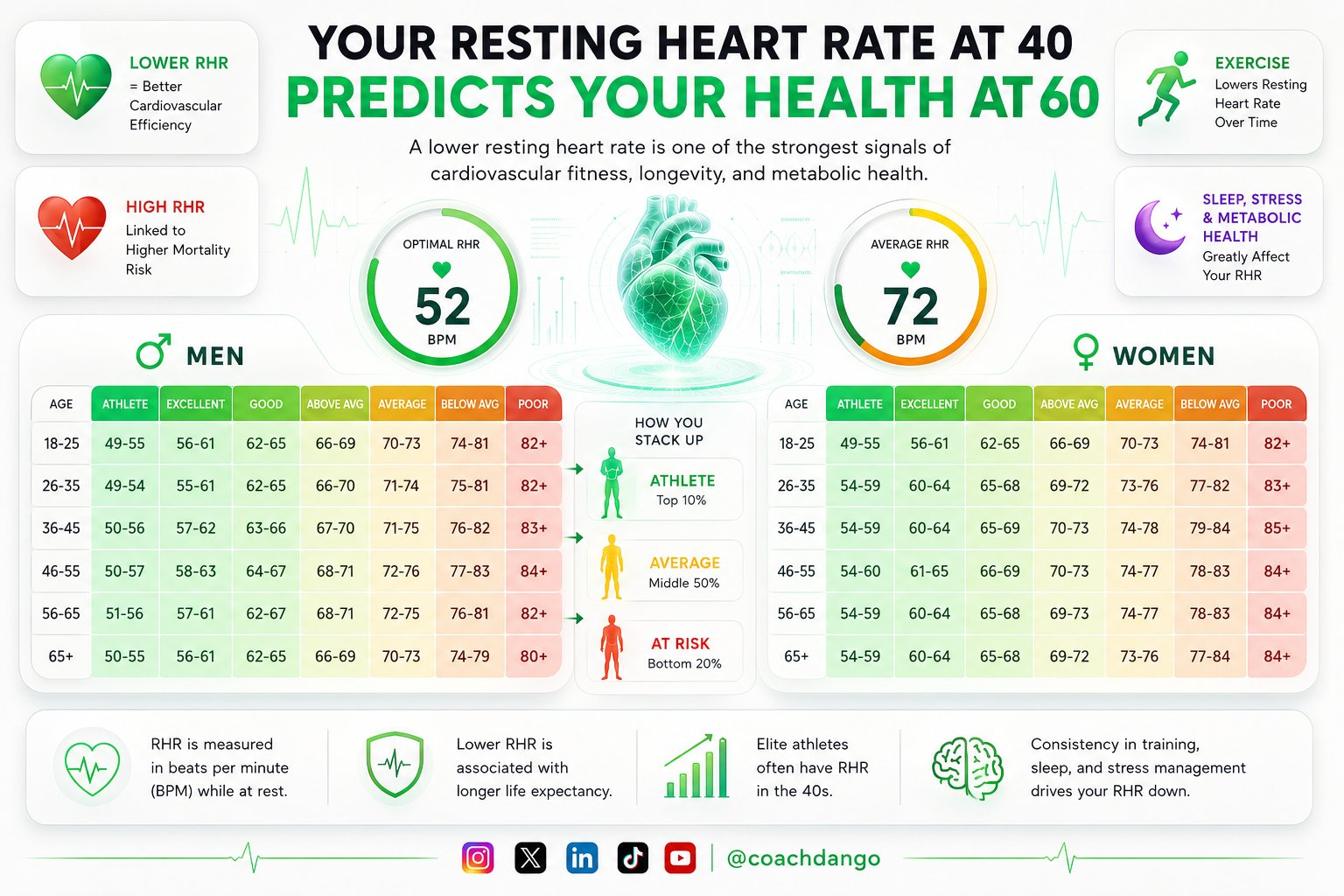
A healthy RHR sits between 60-80 bpm.
Athletes often live in the 40-60 range.
Studies show every 10 bpm increase in resting heart rate is linked to a 10-20% higher risk of death from any cause.
 | Don’t total yo… on Fuck Carpe Diem |
| Update: Game of Horm… on The Game of Hormones and Enzym… |
 | The Cost of Cowardli… on Courage |