Long term thinking

This is my kind of talk

  • Short term vs. Long term.
  • Instant gratification – fight against it.
  • marshmello experiment
  • Second Order Consequences
  • The feedback loops can cause disturbances.
    • Also with 3rd, and 4th order consequences
  • Buy a tv
    • You will watch TV
      • You are wasting time
  • I think i sort of intuitly understand this with my workouts
    • It’s easier to keep going than to restart.
  • Starting is hard, but then consistency becomes self feeding.
  • Private jet
    • Same thing, you debt, get stuck into a cycle
  • Effect Horizon

Posted in Uncategorized

Phase1: 35 to 25

Until you get to about 240ish

  • Don’t track calories, but be MINDFUL OF FOOD
  • Only eat Protein, Fiber, Veggies, Berries
  • Very little booze
  • Strength training is engine.
  • Strong lift is probably good (with some augmented bicep stuff)
    • Hypertropy later
  • Protect the muscles
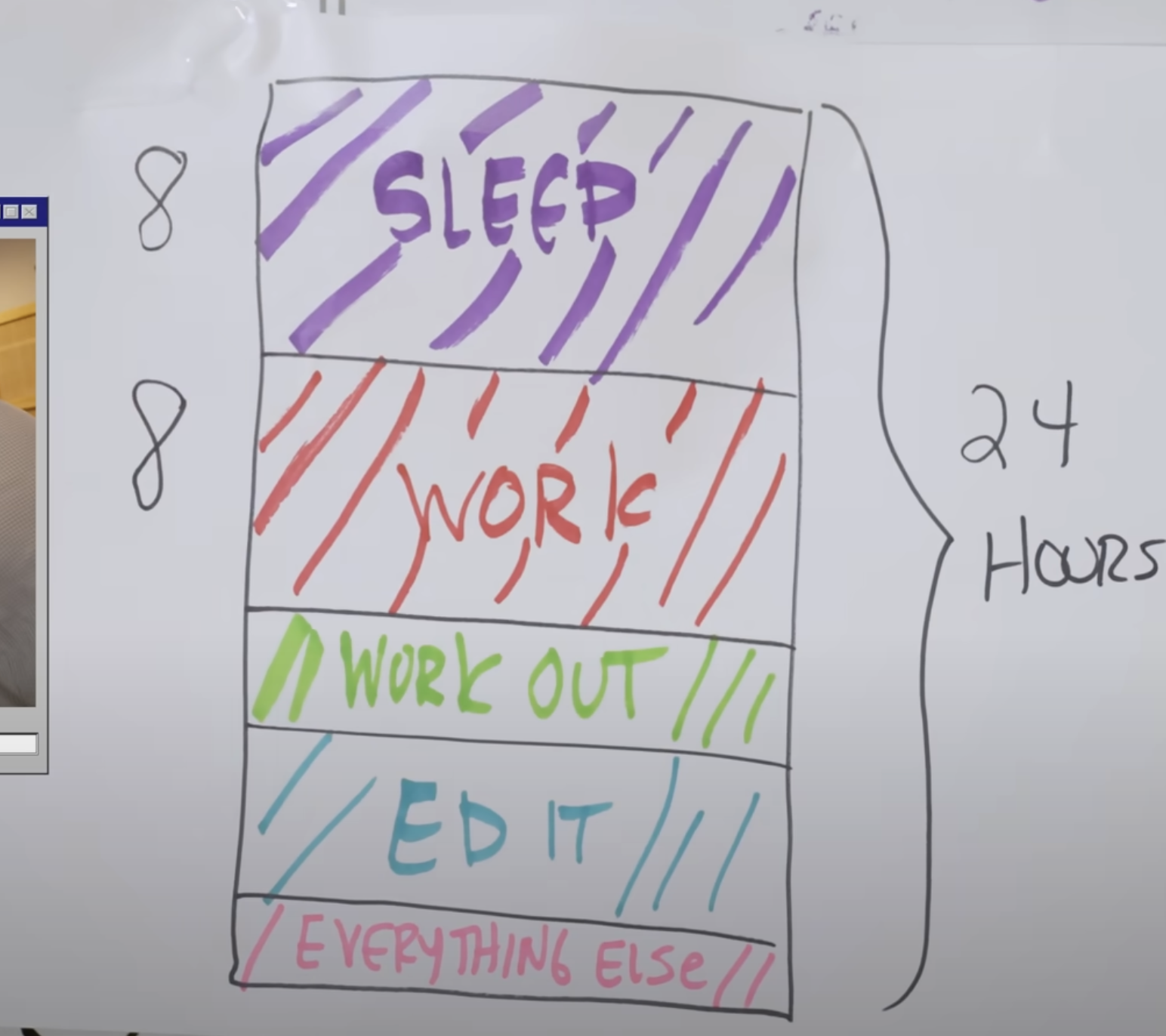
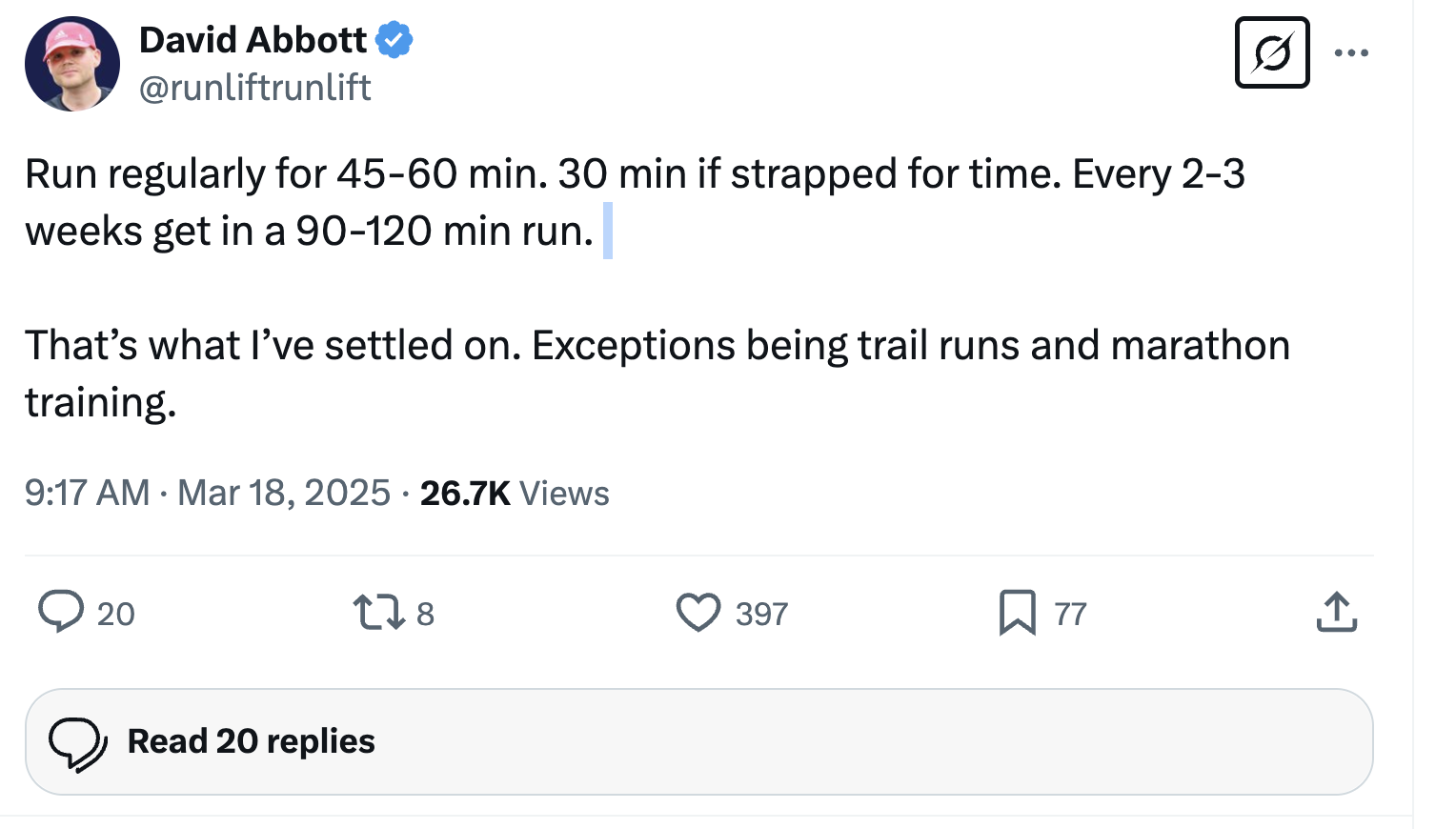
  • Cardio is also important, I want to keep my running schedule.


  • You will have to revisit after 25. So this is the goal for 35 to 25.
  • So, get to about 240
  • Protein rich and veggies, cook home
  • Eat fruits
  • Exercise
  • Strength! 3 to 4 times a week
  • PROTECT YOUR MUSCLE IT IS IMPORTANAT@!!@!
  • You don’t need to track right now (that’s needed when you are aiming for 20% or below)

Posted in Uncategorized

New Administration – Marathon 2026

Look, it is the new administration. I have some stuff mentioned here: Sober 47.

I actually don’t think I will be able to remain sober the whole time. But remember that the goal is something different. The goal is to become a JACKED DUDE who can run the Marathon in 2026.

Just show up every day. Enough rest. It’s time to start training.

I have a the half marathon. I need to be careful about all this.

Stuff to look into

  • Keep focus on protein and fiber, maintain calories.
  • Muscle and strength
  • Cardio / VO2max
  • SHRED BABY!

Look, this is an ordeal. Plan out your schedule. This year will NOT go to waste.


Posted in Uncategorized

Resistance starch

What Are Resistant Starches?
Resistant starches are a type of carbohydrate that “resist” digestion in your small intestine. Instead of being broken down like most carbohydrates, they travel to the large intestine, where they are fermented by beneficial gut bacteria. This fermentation process can yield important byproducts such as short-chain fatty acids (notably butyrate), which are associated with various health benefits.

Where Are They Found?
Resistant starches occur naturally in many foods and can also be created or enhanced through cooking and cooling methods. Examples include:

  1. Green (unripe) bananas and plantains
  2. Cooked and cooled potatoes (potato salad, for instance)
  3. Cooked and cooled rice
  4. Legumes like lentils and beans
  5. Whole grains such as whole wheat and oats (especially when prepared and cooled)

Why Are They Beneficial?

  1. Gut Health: By resisting digestion in the small intestine and fermenting in the large intestine, resistant starches feed beneficial gut bacteria. This can help maintain a healthy gut microbiome.
  2. Fiber-Like Benefits: Resistant starches function similarly to dietary fiber, helping to promote regularity and support colon health.
  3. Potential Blood Sugar Control: Some studies suggest that resistant starch may help moderate post-meal blood sugar levels by slowing the release of glucose into the bloodstream.
  4. Satiety and Weight Management: Because they can make you feel full longer, resistant starches may support weight management goals when included as part of a balanced diet.

Are They a Good Way to Get Fiber?
Yes—resistant starches are considered a type of dietary fiber (often referred to as “functional fiber”). They can complement traditional fibers (like those found in fruits, vegetables, and whole grains) to help you reach recommended daily fiber targets. However, it’s generally best to get a variety of fiber types—both soluble and insoluble—from diverse food sources for comprehensive gut and overall health benefits.


Key Takeaways:

  • Resistant starches are starches that bypass digestion in the small intestine and get fermented by gut bacteria in the large intestine.
  • They behave like fiber, helping improve gut health, potentially regulating blood sugar, and promoting a feeling of fullness.
  • You can increase your intake by incorporating foods like cooled potatoes or rice, unripe bananas, and legumes in your diet.
  • They are a healthy component of a balanced diet, but strive for variety in your fiber intake for the best overall health benefits.

o1

You said:

What are their downsides

ChatGPT

Thought about downsides of resistant starches for a few seconds

Resistant starches can be beneficial for many people, but like most dietary components, they also have some potential downsides and considerations:

  1. Gastrointestinal Discomfort
    • Gas and Bloating: Because resistant starch is fermented by gut bacteria in the large intestine, it can lead to increased gas production. People new to higher-fiber diets or who suddenly increase their intake of resistant starch may experience bloating, cramping, or flatulence.
    • Gradual Introduction: To minimize discomfort, it’s often recommended to introduce resistant starches slowly, allowing your digestive system to adapt.
  2. Individual Tolerance
    • Irritable Bowel Syndrome (IBS) or Other GI Conditions: Individuals with sensitive digestive systems (e.g., those with IBS or inflammatory bowel disease) might find resistant starch more challenging to tolerate and may need to monitor or limit their intake.
    • Varied Responses: Everyone’s gut microbiome is unique, so not everyone will experience the same benefits or side effects.
  3. Limited Sources in Whole Foods
    • Need for Specific Preparation: Many foods high in resistant starch—like cooked and cooled potatoes or rice—require preparation methods (cook, cool, sometimes reheat) that aren’t always convenient or palatable for everyone.
    • Relying on Supplements: Some individuals opt for supplements (like potato starch) to increase resistant starch intake; however, these are not always as well-rounded nutritionally as whole-food sources.
  4. Nutrient Trade-Offs
    • Low in Micronutrients: While resistant starch can act like fiber, many sources (like refined cooled grains) may not offer the same spectrum of vitamins, minerals, and phytochemicals you’d find in whole fruits, vegetables, or whole grains. Balancing your diet with a variety of fiber sources remains crucial.
  5. Overemphasis on One Fiber Type
    • Diversify Fiber Intake: Resistant starches are just one form of fiber. Overemphasizing them at the expense of other fiber types (soluble, insoluble, prebiotic fibers from fruits, vegetables, and whole grains) could limit the diversity of your gut microbiome and the overall range of health benefits.

How to Minimize Downsides

  • Increase Intake Gradually: If you’re new to resistant starch, incorporate small servings and slowly build up.
  • Pair with Other Foods: Consuming resistant starch–rich foods alongside a balanced meal can help reduce GI distress.
  • Stay Hydrated: Adequate water intake can help the body process increased fiber.
  • Listen to Your Body: If you experience persistent GI symptoms, it may help to reduce portion size or explore different fiber sources.

In moderation and as part of a well-rounded, high-fiber diet, resistant starch can provide valuable benefits. However, be mindful of potential gastrointestinal side effects, especially if you have a sensitive gut or a pre-existing digestive condition.

Posted in Uncategorized

Just be consistent

Go everyday. And just walk. Save the joints. No one is tracking my shit on strava. Don’t worry.

Posted in Uncategorized

Act as if everything will work out

  • The mindset is so important.
  • Be optimistic, and act as if things will just work out.
  • No matter what happens, things work out.
  • Unshakeable confidence
  • Unwavering optimism.
  • Intelligent optimism
  • “How can this work out for me, what’s the opportunity here”
  • You see “solutions” where others see problems
  • You create your own reality
  • “I’m in this job for a reason. I dont need to become bitter”
  • Opportunities will present themselves.
  • “Positive attitude”
  • You won’t get stuff handed to you
  • When you just cannot see anything good.
  • Think about K, he has done a great job with this. Even when he was being pushed out

  • Don’t let the emotions define your actions
  • Process your negative emotions, and then act positively
  • This is what people mean by Emotionally intelligent
  • Take more risks, more enthusiasm, etc.
  • “The main goal of life is not to have no failure” – I love this shit.
  • Constantly reframe
  • Look for opportunities
  • Emotional intelligence
  • Emotions are INFORMATION
  • Process them, and decouple it from actions
  • Abundance mindset
  • Other peoples wins doesnt diminish yours
  • Don’t be a whiny bitch, rhona, eta.
  • Just be positive, funny, charming, and find the opportunities
  • Momentum
  • You keep building positive moment with your positive attitudes

ChatGPT

Short Abstract
This talk explores the transformative power of “acting as if everything always works out,” emphasizing the importance of mindset, resilience, and proactive optimism. By reframing setbacks as opportunities for growth, consistently looking for silver linings, and taking responsibility for one’s response to challenges, a person can cultivate greater confidence, persistence, and a more positive life trajectory.


Main Topics & Key Insights

  1. Core Mindset
    • Definition: “Acting as if” means adopting the beliefs and behaviors of a person who trusts that every outcome will ultimately be beneficial.
    • Not Blind Optimism: It’s an “intelligent optimism” that acknowledges challenges but seeks opportunities in them.
  2. Turning Challenges into Opportunities
    • Reframing: View setbacks as lessons or stepping stones rather than failures.
    • Persistence: Belief in positive outcomes fuels resilience and encourages pushing forward when most would quit.
  3. Practical Application
    • Awareness & Choice: Pay attention to negative thought patterns, then deliberately shift to a more optimistic perspective.
    • Action & Responsibility: Positive thinking doesn’t replace hard work. It inspires taking proactive steps and accepting responsibility for outcomes.
  4. Impact on Relationships & Well-being
    • Positive Energy: A confident, solution-oriented outlook attracts supportive people and fosters stronger connections.
    • Health Benefits: Reduced stress and an abundant mindset can improve mental and physical well-being.
  5. Growth, Gratitude, and Self-Love
    • Continuous Growth: Every experience—good or bad—is seen as a chance to learn, expanding one’s skill set and adaptability.
    • Gratitude & Self-Trust: Recognizing existing blessings fosters more positivity; believing in one’s ability to handle life’s surprises builds healthy self-regard.
Posted in Uncategorized

Sober 47

In 2016, I put money on Trump winning the election. As a hedge, I said that I would remain sober during the Trump presidency. I didnt really think Trump would win. But of course, he did.

So I went sober in Jan 2017. I kept it up for 5 months, but then I broke down.

I am sitting here, at 35, and now wondering about the future. I don’t want to be a drunk uncle. I don’t want to be the booze hound. And I don’t want to be fat, obese. I want my vo2 to go up. And I want to build my tshirt body. And I want to run marathons for ever. For as long as I can.

Trump tried to overturn the 2020 election. Didn’t work. He kept persisting. He was tried and convicted over 4 years. He kept persisting. He ran for president again. He got SHOT and SURVIVED. He persisted. And then he got elected as the 47th president.

It seems like I have been given another chance. Let’s go sober during the Trump presidency. So, starting Monday.

Trump doesn’t drink. He does do other shit, so I need to be careful. But yea, definitely a moment to reduce the consumption a lot.

Fuck, I am not sure if I can do the sober 47, but I am going to try again.

Posted in Uncategorized

Pull Exercises

Workout One

  • Deadlifts
  • Chest supported row (I have this in a different form)
  • Dumbell pullover
  • Dumbell high pull
  • Bicep chin curl
  • Overhead tricep extension

Workout Two

  • Snatch grip deadlifts
  • GOrilla row
  • Arm pushdown
  • Barbell curve
  • Push down
  • FACE PULL

Posted in Uncategorized

Push Exercises

Workout one

  • Barbell Bench Press
  • Hi To Low Crossover
  • Dumbell Overhead Shoulder Press
  • One Half Dumbell Lateral Raise
  • Lying Tricep Extension
  • Dumbbell Waiters Curl
  • Rotator Cuff muscle external rotation (“before you call it a day”)

Workout two

  • Overhead barbell press
  • Underhand bench press
  • Abduction row
  • Close grip Bench Press
  • Dumbell curl
  • Push up

Posted in Uncategorized

My gym’s equipment

  • Activation
    • Simple clothes

  • Pull exercises
    • Rows
    • Pull down
    • bicep curls
    • Deadlift
  • Push exercises
    • Bench
    • Incline bench
    • Overhead
  • Legs
    • Squat

Equipment : Push | Pull | Legs

  • Top floor strength
    • Compound
      • Squat
      • Bench
      • Incline bench
      • Deadlift
    • Dumbells
      • Base bench
      • Incline bench
    • Machine
      • Row with plates
      • Pull down with plates
    • Cables
      • Pull laterally
    • Smith
      • Rows
  • Middle floor machines / cardio
    • Smith
      • Rows
    • Cardio
      • Ski
      • Treadmill
  • Bottom floor strength
    • Squat
    • Deadlift

Posted in Uncategorized