RIP. He was an inspiration. Marathon at 90.
Lets be intentional – Fourth of July 2025
Just remember that day.
A new life. Renewed vigor.
Posted in Uncategorized
You need to be intentional about your transformation
People go through transformations. But they are intentional about it.
It’s “training” not just plain exercise.
Posted in Uncategorized
You should look like you lift weights
Generate a growth stimulus
Need to get to failure to some extent.
You NEED TO KEEP PROGRESSING otherwise NO GROWTH
You NEED to track. On an app that I can use on the web too. Or sheets.
Posted in Uncategorized
Taking a break to focus
Okay, I have been studying a lot. Thinking a lot. Writing on this blog a lot.
I think its time to execute.
I just want to focus on the basics. I want to start enjoying the park again. And the gym!
lets see
Posted in Uncategorized
Some summaries
TLDR:
- Nose breath
A healthy person has thousand wishes. A sick one has one

Here’s a summary of the video about the importance of nasal breathing:
- The nose is the ideal breathing organ, designed for over 30 functions including filtering, heating, and humidifying air [01:10].
- Nasal breathing produces six times more nitric oxide than mouth breathing, which is crucial for circulation, vasodilation, and fighting viruses and bacteria [01:37].
- Humming can significantly increase nitric oxide production and stimulate the vagus nerve, promoting calmness [02:31].
- Nasal breathing patterns may aid in the rehabilitation of individuals with long COVID and acute cases [05:11].
- Poor breathing habits in children, often linked to underdeveloped facial structures, can lead to health issues like ADHD and poor academic performance [05:48].
- The shift to softer, industrialized foods has contributed to smaller mouths and airways, making proper breathing difficult [08:53].
- Ancestors had stronger facial structures and larger airways due to prolonged breastfeeding and chewing on tougher foods [11:12].
- Parents should monitor children for mouth breathing or audible breathing during sleep, as these are red flags for serious health problems [15:04].

Here are the key takeaways from the video featuring Dr. William Li:
- Importance of Healthy Blood Vessels [00:13]: Healthy blood vessels are crucial for overall health, impacting brain health, cognition, mood, skin, and the immune system.
- Food’s Impact on Blood Vessels [00:53]:
- Olive Oil and Olives [01:08]: Beneficial due to polyphenols and fiber.
- Leafy Green and Brassica Vegetables [01:23]: Foods like broccoli and kale contain isothiocyanates, which create sulforaphanes that help lower harmful body fat, reduce inflammation, and protect blood vessel walls [01:50].
- Dietary Fiber and Gut Health [03:46]: Leafy greens provide fiber that feeds healthy gut bacteria, producing short-chain fatty acids that reduce inflammation.
- Foods for Fat Burning and Waistline Reduction [18:52]:
- Brown Fat and Metabolism [08:58]: Cold exposure can activate brown fat, which helps with metabolism and burns calories.
- Personalized Health Approach [01:57:50]: Health is personal, and individuals should understand how their bodies respond to different foods and activities.
- Information Overload and Trusted Sources [01:58:51]: Be discerning about health information, and seek out trusted experts who are trained in health and conduct research [01:59:48].
- Query successful
Try again without apps
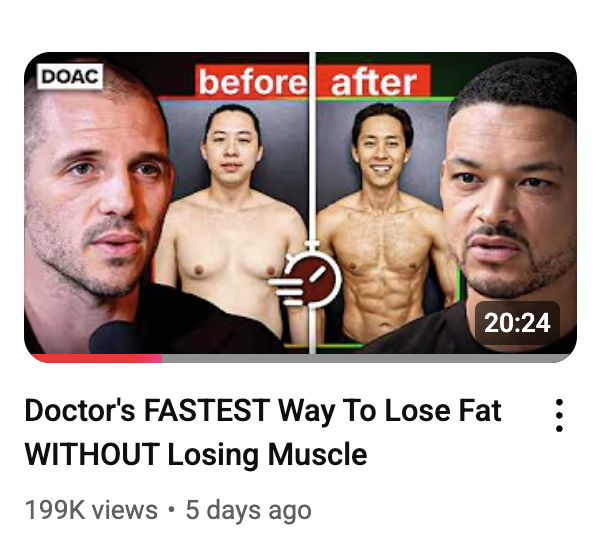
Here’s a summary of the video about fat loss:
- Understanding Fat Loss [00:29]: Fat loss should focus on losing fat while preserving muscle mass and ensuring long-term weight maintenance.
- Importance of Adherence [01:30]: The most crucial factor for successful long-term fat loss is consistent adherence to both workout and nutrition programs.
- Personalized Approach to Nutrition and Exercise [02:12]:
- Genetic Testing Limitations [04:03]: Genetic testing for precision nutrition can be unreliable if it doesn’t account for genetic background.
- Foundational Principles for Fat Loss [06:16]:
- Avoiding Scarcity Mindset [06:51]: Feeling deprived leads to inconsistency and the yo-yo effect.
- Speaker’s Personal Workout Standards [07:15]: The speaker balances anaerobic strength training/high heart rate activities with steady-state longer duration activities.
- Strength Training Before Endurance [08:05]: Performing strength training before endurance work is recommended as it doesn’t compromise endurance and can enhance it.
- The Future of Human Health – Digital Twin Project [09:14]:
- Ethical and Societal Implications of Technology [11:44]:
- Challenges in Health and Performance Assessment [16:16]:
- Assessment: Gathering comprehensive data is the first step [16:21].
- Qualification (Polaris): There’s a lack of clear metrics for “healthy” or “great” across different ethnicities [16:27].
- Intervention: Determining optimal interventions is still limited, highlighting the continued value of human experts [17:40].
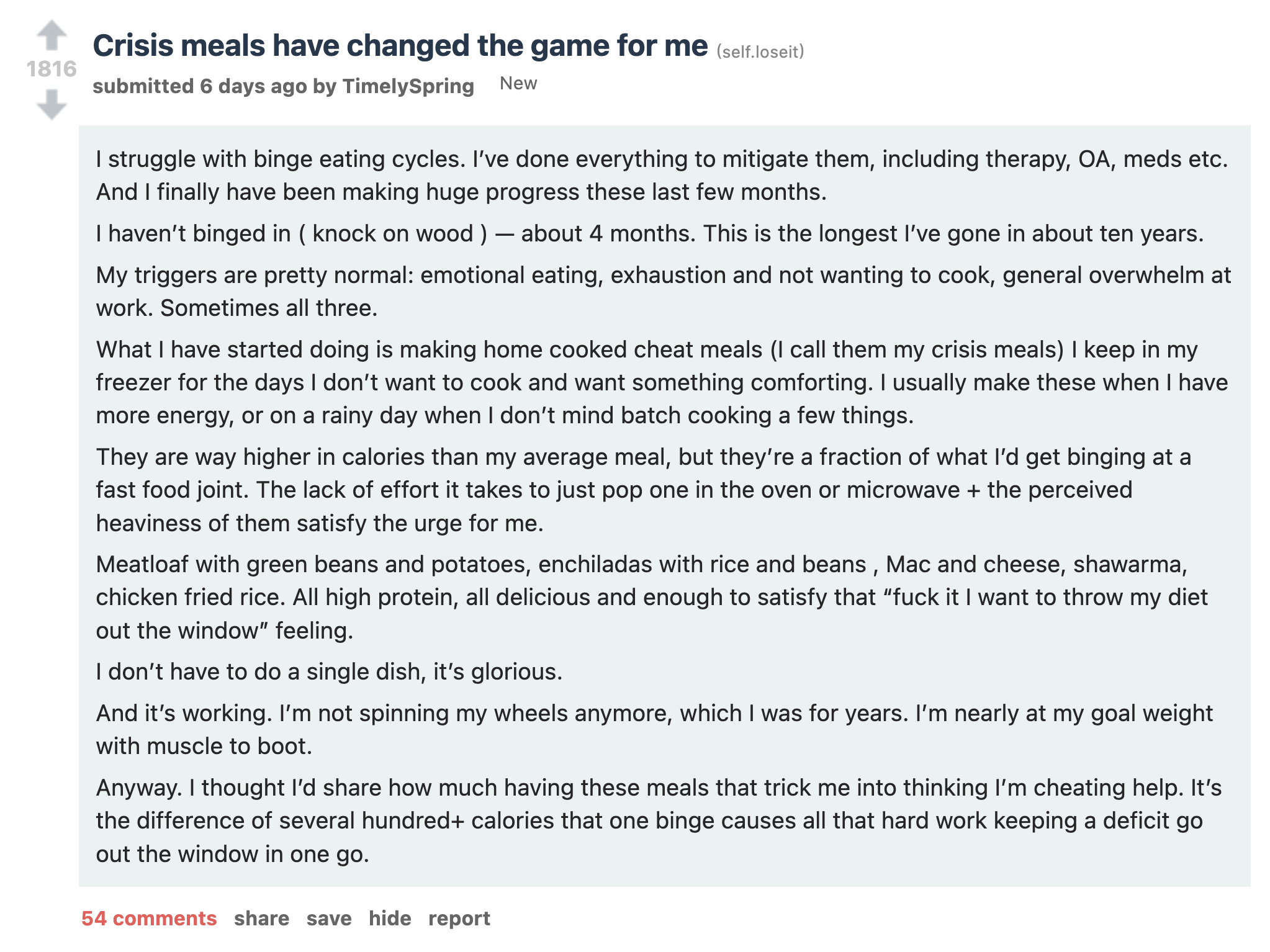
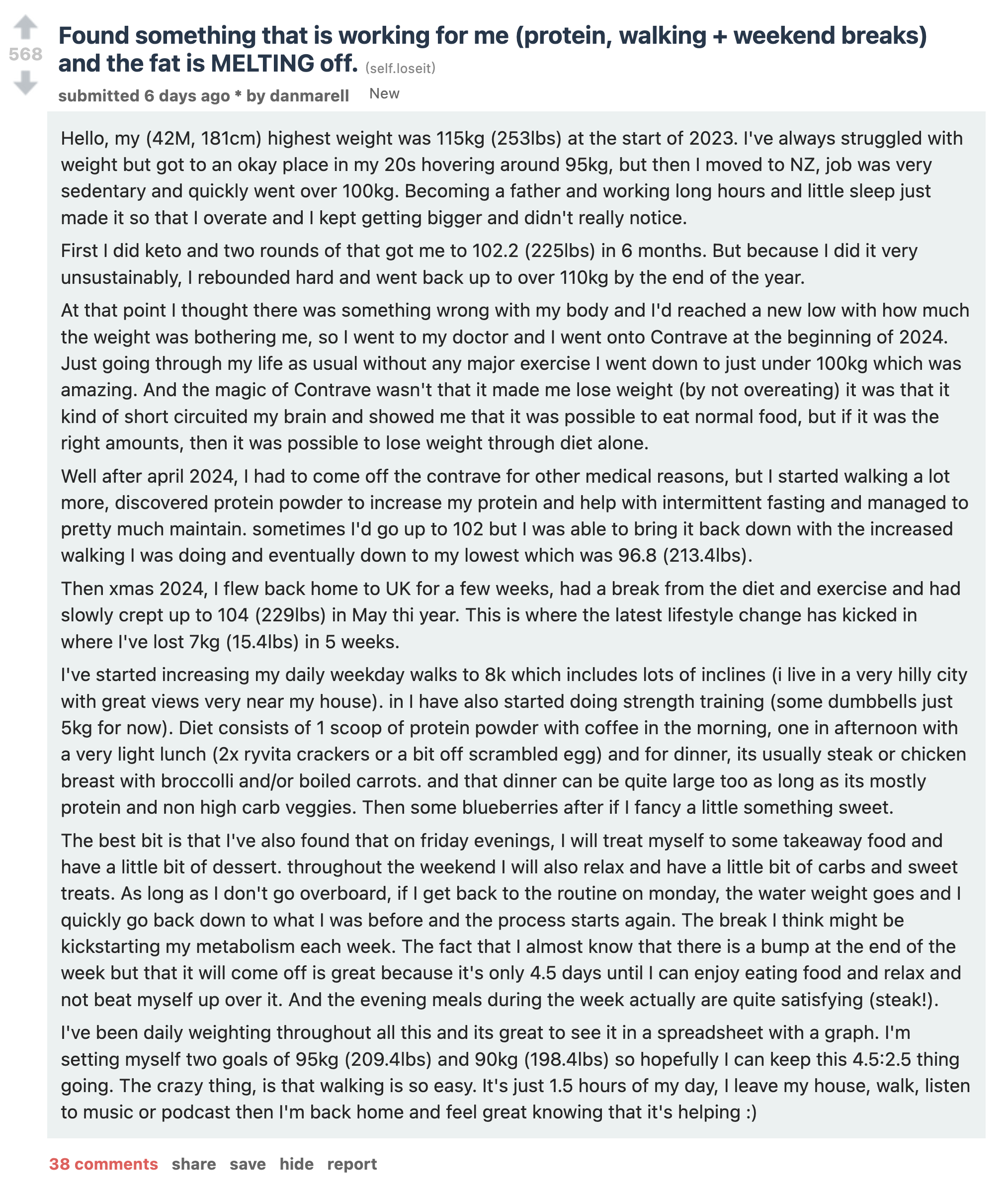
If you do miss, MISS SMALL
Meaning, if you do go into a carpe diem hole – dont go too far. Control the tail events.
Posted in Uncategorized
Remember why you enjoy it
Oh the beautiful days when I am FLYING. Like SONNY HAYES in F1
After a few nights of GREAT sleep
- HR goes down
- Words become strong
After a run
- Legs feel great, strong
- HR goes down to 50
- Breathing well
- Walking easy
After a pump session
- Body shape feels great
- Lower back feels great
- Posture feels awesome
After no alcohol
- Great sleep
- Low stress
- Words are better
ON THE LIMIT
- Feeling a “little” hungry
- Running in the park and listening to a great audiobook
- Going to the gym to do my SQUATS
- Weight comes down slowly
- I am MENTALLY CLEAR
- Heavy breathing
- My portions are controlled.
- I cant even force myself to eat a lot
- Tracking everything
Overeating and BOOZE
- I actually cannot eat a lot
- I get ACID REFLUX
- I have HORRIBLE SLEEP
- I feel BLOATED
- I cannot THINK CLEARLY the next day
Posted in Uncategorized
Fat Marathoners are PROOF that its about the food
Insulin control
FOOD REDUCTION (THIS IS THE HARDEST THING YOU HAVE EVER HAD TO DO)
YOU CANNOT OUT RUN IT
It’s so SIMPLE yet so DIFFICULT!!!!!!!!!!!!!!!!!!

Posted in Uncategorized
How to Reduce Food Noise Naturally (No Prescription Required)
If you constantly think about food — whether you’re hungry or not — you’re not alone. That mental chatter around what, when, or how much to eat is called “food noise”, and it can derail even the most disciplined person. But the good news? You don’t need a prescription to quiet it.
Here’s a guide to reducing food noise naturally, using science-backed strategies, over-the-counter supplements, and smart lifestyle changes.
🧠 What Is Food Noise?
Food noise is the persistent mental loop of cravings, urges, and obsessive thoughts about eating. It’s not always physical hunger — often, it’s driven by blood sugar swings, emotional stress, poor sleep, or even just habit. To quiet it, you need to address both the biological and behavioral triggers.
🔑 Lifestyle Strategies That Work
These foundational habits reduce food noise at the source:
1. High-Protein Meals
Start your day with 30–40 grams of protein — it blunts hunger hormones like ghrelin and keeps you full longer.
2. Time-Restricted Eating
Limiting your eating window (e.g., 12–8 PM) can reduce decision fatigue and train your brain to focus outside those hours.
3. Hydration First
Dehydration often disguises itself as hunger. When a craving hits, drink a glass of water and wait 15 minutes.
4. Sleep and Stress
Lack of sleep raises cortisol and ghrelin, which increase cravings. Aim for 7–9 hours per night, and manage stress with walks, journaling, or breathwork.
5. Mindful Eating
Slow down. Eliminate distractions. Enjoy your food with awareness — it reduces impulsive snacking and emotional eating.
🌿 Supplements to Help Quiet the Cravings
You don’t need prescription drugs — several natural and over-the-counter supplements can help reduce food noise by targeting blood sugar, insulin sensitivity, and stress.
| Supplement | Benefit | Suggested Dose |
|---|---|---|
| Berberine | Regulates blood sugar, may blunt appetite | 500mg, 2–3x/day with meals |
| L-Glutamine | Curbs sugar cravings, supports gut and brain | 5g in water during cravings |
| Inositol | Calms mind and improves insulin sensitivity | 2–4g/day, split doses |
| 5-HTP | Boosts serotonin, may reduce emotional eating | Start with 50mg (avoid if on SSRIs) |
| Chromium Picolinate | Enhances insulin sensitivity, may reduce appetite | 200–600 mcg/day |
| Magnesium Glycinate | Eases stress and reduces night cravings | 200–400mg/day |
| Apple Cider Vinegar (ACV) | Helps blunt post-meal glucose spikes | 1–2 tbsp diluted before meals |
🧬 Does Berberine Help with Food Noise?
Yes — but it works indirectly.
Berberine improves glucose control and insulin sensitivity, which means fewer blood sugar crashes that trigger cravings. It may also benefit gut health, which influences hunger hormones like GLP-1 and ghrelin.
If your food noise is driven by metabolic issues (especially if you’re prediabetic or insulin resistant), berberine can make a noticeable difference.
💡 Bonus Tips to Go Even Further
- Fiber First: Start meals with high-fiber foods like chia or psyllium to stabilize blood sugar.
- Protein Shake Hack: When cravings hit, try a decoy snack like a 30g protein shake or bone broth.
- Environment Control: Don’t keep high-craving foods around. Out of sight, out of mind is real.
Final Thoughts
Food noise doesn’t mean you’re weak — it means your brain and body are sending mixed signals. But you can quiet the noise with the right combination of routine, nourishment, and supplementation.
No prescription needed.
Posted in Uncategorized

 | Don’t total yo… on Fuck Carpe Diem |
| Update: Game of Horm… on The Game of Hormones and Enzym… |
 | The Cost of Cowardli… on Courage |

