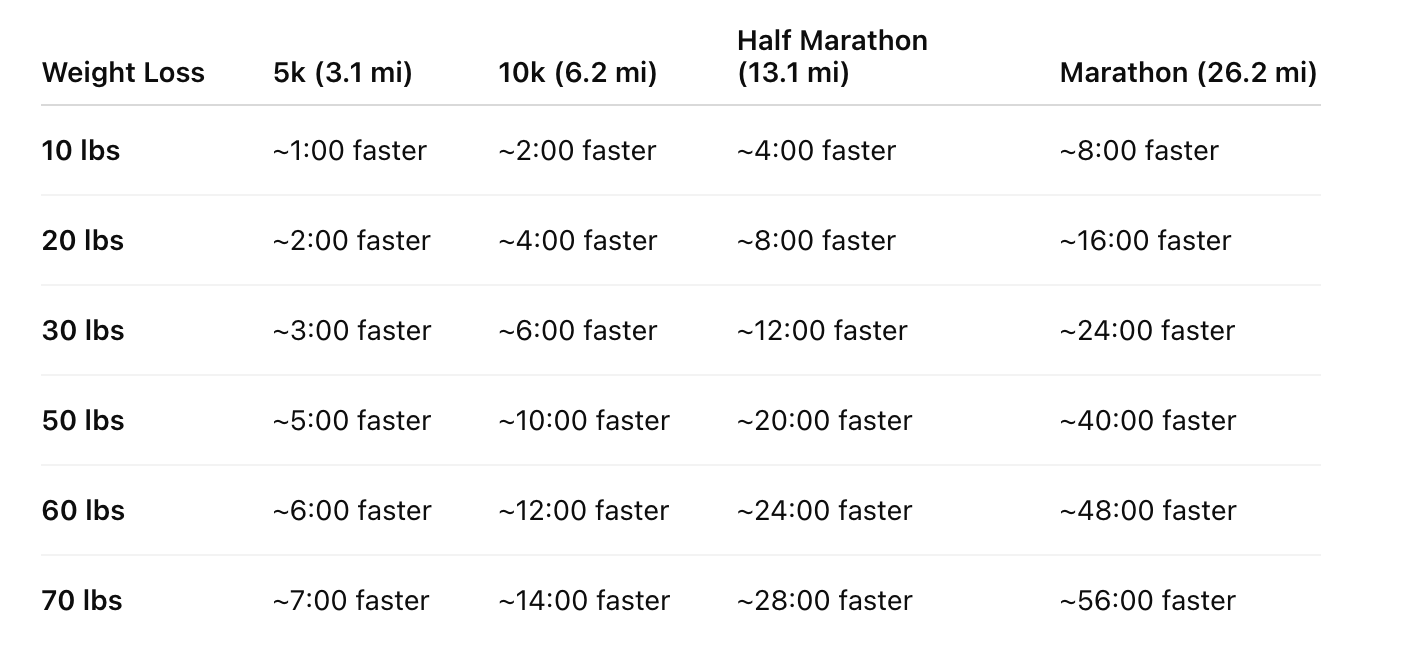
100 day sprint is over. It was meh

Remember you woke up and you saw that video of that dude who lost half his body fat in 100 days.

this was tough man. I made some progress, but it wasnt too good.

A few lessons:

  • Keep focus and make time
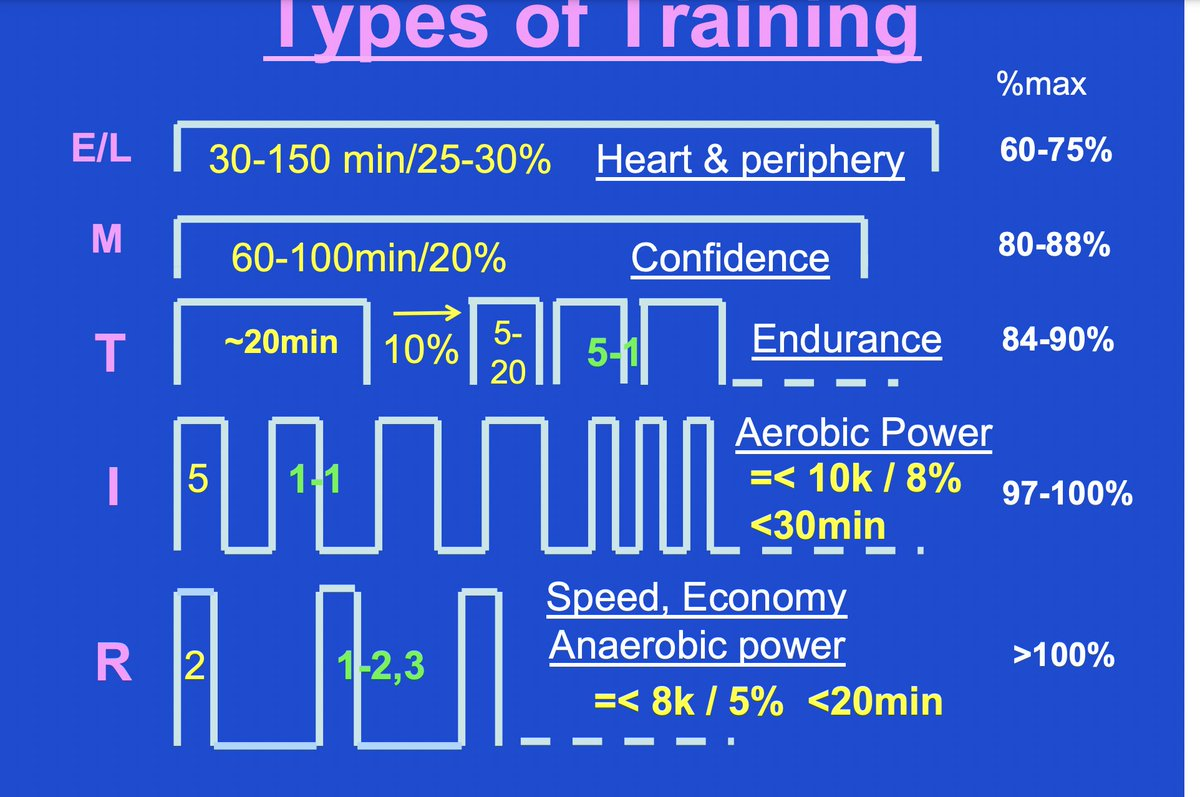
  • The running was derailing me a bit

My plan was to celebrate at the 100th day. That is today

That was not great. I think 100 days is too long of a target.

Posted in Uncategorized

Diet sodas spike insulin

Remember that you want to keep insulin low, because that will bring out the fat.

Even if there are no calories, elevated insulin has locked up the fat!

And, for some weird reason, diet sodas and stuff impact the insulin. Not good.

Posted in Uncategorized

Some recipes

  1. Cottage cheese naan
  2. Almond bread
  3. Cottage Cheese Keto Pizza

Cottage cheese naan

  • Cottage cheese 1 cup with 2 eggs, garlic powder, onion powder, salt, italian seasoning
  • Blender mix
  • Lay it out on baking tray, add a bit of stuff to it.

Almond bread

  • You know the recipe. Simple stuff

Cottage Cheese Keto Pizza

  • 1 cup of cottage cheese
  • Blender
  • Mixing bowl
  • Add eggs (4 eggs), and then parmasean cheese, and then quarter cup of almond flower,
  • Quarter spoon of baking soda, onion powder and italian seasoning, and garlic
  • Mix everything
  • Put it all on parchment paper

Posted in Uncategorized

Read this to recommit: [Beck Book] and [The Game of Hormones]

These are recommitment summaries of important books I have read or written (lol).

  1. The Beck Book – The Mind
  2. The Game of Hormones and Enzymes – The Body

The Beck Book – The Mind

  • Cognitive Behavioral Change in how to think like a Thin Person
  • There is a confidence that you will not slip up, or that if you do, you will be back.
  • There is no need to be carpe diem about life. It’s a long, slow journey.
  • Spiraling is boring. It’s not that useful to you anymore.
  • No need to be that big fat uncle
  • The more you say no, the more the brain develops the muscles
  • The spiral to the bottom of the pit, not that cool.
  • Do not loose consciousness. Be intentional and make time. Nothing interesting happens automatically.
  • Deep breadths before actually going in.
  • Planning helps.
  • This is not hard, and it will work
  • Think people think about food the whole time
  • Remember, the bread will be tempting, but, I can resist it. It is more important for me to loose weight. If I eat the bread, I will get momentary pleasure, but afterwards, I will feel worse.
  • Indecision leads to tension any decision will lead to reduction of that tension.
  • Thin people are not unconscious about food. They remember and lightly obsess about what they eat.
  • The heuristic of being able to walk briskly after a meal.
  • Thin people lie about what they eat
  • “Oh well, whatever”
  • https://cnsnnts.wordpress.com/2025/06/21/the-thin-person-mindset/

The Game of Hormones and Enzymes – The Body

There is a game going on, and you want to help team Fat Liberation. Its very simple. Get in a deficit to bring Fat LIberation onto the field. Strength train to make push GLUT4 to surface which reduces the insulin. Walk to slowly burn the fat. Fast to make the body flexible on which source to use.

Posted in Uncategorized

The Thin Person Mindset

  • They are constantly thinking about food, even if they lie and say they dont
  • If they ate too much one day, they automatically adjust the next day.
  • They have efficient overeating – to – metabolism pathway. They will get springy and walk a lot.
  • Generally thin people are more active. Good feedback loop. This helps them keep the metabolism high.
  • Thin people understand the difference between hunger and craving
  • Thin people understand how their bodies react to food, and over eating.
  • They always mentally know when they have eaten a lot.
  • A fat person waits on the bodies signals, for the body to feel full. A thin person relies on their brain.
  • This is because the thin person is conscious about what they are eating.
  • Fuck man, thin people even know and remember how many beers they had, or alcoholic drinks they have had. It’s actually insane.

Posted in Uncategorized

The neck hump

get rid of the hump Fix Neck Hump FAST With These Home Exercises! || Houston Chiropractor Dr Gregory Johnson Helps Man From Oklahoma With Dowagers Hump + FHP Posture || https://www.youtube.com/shorts/P2__jfuO73M || https://www.youtube.com/shorts/GHVYqkA2Z8k

Just putting it here for now. Maybe will expand on this later. But yea, not a big fan of this neck hump thing. The key is to strengthen the muscles.

Posted in Uncategorized

Rethinking a bit

So, I have been review some of the literature. There is the Jason Fung, Nassim Taleb, etc camp. These guys focus on fasting and pretty low protein. Like, probably around 60 grams a day. Then you have the youtube influencer types, who focus on 200 grams a day. DAMN. I think it could depend on the muscle mass.

I feel like perhaps Peter Attia is somewhat in the middle. I should consult his stuff too.

Anyway, so my small adjustment to the protocol is that I want to incorporate my fasting. It’s okay if I am not hitting protein targets on those days. I think its important to continue trying to hit those targets when I strength train.

Strength training will be the key going forward.

Posted in Uncategorized

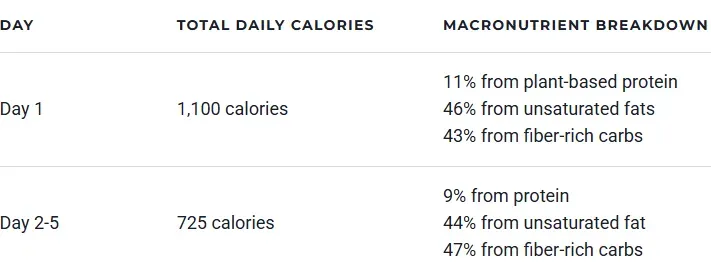
Protein hype called out – Valter Longo Longevity protocol

Some interesting discussions, lead by Taleb (obviously not the bastion of good health, but interesting guy as he likes to look at studies and stuff).

Basically, the claim is that people overestimate how much protein is needed. Okay, fine. There are some negative aspects to protein, things that counter the way the body processes calories. Things that maybe stop things like autophagy from happening.

Jason Fung also talks about this – that we have a lot of protein available. The skin is protein. So, fasting approach helps tighten the skin too.

https://old.reddit.com/r/fasting/comments/6lu0yz/does_dr_fung_actually_say_none_of_my_patients/

https://intensivedietarymanagement.com/how-much-protein-is-excessive/

https://valterlongo.com/daily-longevity-diet-for-adults/

I am seeing conflicting points about this. Some people are pushing back against this Longo protocol.


https://intensivedietarymanagement.com/how-much-protein-is-excessive/

Intensive Dietary Management

How much protein is excessive?

As we discussed last week, excessive protein is turned into glucose and then to fat. But how much protein is excessive? That’s the real question that stirs up all kinds of controversy. The Recommended Daily Allowance for an adult is 0.8 g/kg per day. How did we get that number? Let’s start at the beginning.

First, I am only dealing with the steady state here. If you are trying to build muscle (body building) then you would need more protein. If you are pregnant or breast feeding or a child still growing, then protein requirements are higher because you are trying to add protein to your body. This discussion only deals with adults at a relatively stable state.

Proteins are made up of building blocks called amino acids, of which there are about 20 common ones. While we talk about protein requirements, really the body needs amino acids. This makes up about 16% of the weight of protein, so that if you eat 56 grams of steak, you do not get 56 grams of protein, but really require about 6 times more by weight (approximately).

Proteins are being degraded and resynthesized continuously. Old proteins get broken down, and the amino acids are reabsorbed to be built into new proteins. The amount of turnover is several times larger than the amount of amino acids eaten daily. However, some amino acids do get lost in the process, so we require a certain amount of protein intake. This is lost predominantly in the stool and the urine. Sweat, hair, nails etc make up a miniscule proportion of the lost amino acids.

marasmus
Marasmus

Amino acids cannot be stored for long term energy. Any protein eaten in excess needs to be converted to glucose or fat for storage. Nine amino acids are called ‘essential’ amino acids because our body cannot synthesize them – histidine, isoleucine, leucine, lysine, methionine, phenylalanin, threonine, tryptophan, and valine. We must get these from our diet or we will get malnourished. There are also essential fatty acids such as the omega 3 and 6. There are no essential carbohydrates. No, we do not ‘need’ to eat 130 grams of glucose daily for our brain. It’s a complete lie. Fasting for 1 day does not cause our brain to become ‘starved of glucose’ as we become blubbering idiots and lose control of bowel and bladder. I would vote that widely circulated ‘fact’ as ‘most idiotic statement’. I have done this 24-hr fast many times, and have not yet found it necessary to clean poo and pee afterwards.

Kwashiorkor

What happens if we get too little protein? This can occur in isolation, or it can occur as part of a general lack of food. If there is general starvation (no food at all), then there is not only protein deficiency, but also carbohydrate and fat deficiency, too. Obviously, people become skeletally thin, with no body fat, and loss of muscle. This is called marasmus.

Kwashiorkor
Kwashiorkor

But there is also a situation where people get sufficient calories, but very little protein. This typically occurs in third world countries where people have some form of food, but almost no protein. People are usually subsisting on refined carbohydrates alone, which come from food shipments donated by First World countries. These refined carbs (sugar, flour, rice, corn) provide calories at a fraction of the cost of protein, and do not require refrigeration during the long trip. So, in the 1970s and early 1980s, protein deficiency was rampant – called kwashiorkor. You see swollen feet, loss of muscles in the arms and legs, hair loss, and a big swollen fatty liver (due to excess carbs).

So, for all the teeth gnashing I heard about we must eat lots of protein, remember that we are nowhere close to protein deficiency since kwashiorkor is virtually non-existent in the developed nations. It exists primarily in war-torn nations who get food aid.

How much protein is enough?

loose-skin-after-weight-loss-652x400-1-1465991756

This would depend upon how much is lost from the body daily. This varies depending upon intake. More protein intake means more turnover of protein and more losses. Less intake means less turnover. So there is quite a variation. It is also energy-dependent. That is, if you are trying to achieve negative energy balance (lose weight) then you need LESS protein. Why? Because there is all sorts of protein loss associated with fat loss. There is less skin, connective tissue, capillaries, blood, dermis etc associated with weight loss – all of which needs to be catabolized (burned up and not replaced). Think about those bariatric surgery shows on TLC where surgeons remove 20-30 pounds of excess skin after weight loss. Yes, that’s all protein that should have been catabolized. As an aside, in my clinic where we do a lot of intermittent fasting, I have not yet sent a single patient to the plastic surgeon for removal of excess skin, even though weight loss sometime is over 100 pounds.

Back to the normal daily amount. In 1985, the WHO reviewed studies of daily obligatory losses of nitrogen, and found that an average is 0.61 g/kg/day (total). Presumable, the diet should replace (roughly) this 0.61 g/kg/day being lost. Remember, this average is for normal healthy people, not people losing muscle or otherwise sick.

So the international group recommended that normal healthy people should get roughly 0.6g/kg/day. In order to make sure everybody was covered, the WHO added 25% (2 standard deviations) above the mean to get 0.75 g/kg/day which sometimes gets rounded up to 0.8 g/kg/day. In other words, 97.5% of the healthy general population loses less than this 0.75 g/kg/day of amino acids. This is not a low standard. This is a very, very high standard of protein intake.

For a standard 70-kg male this is 52.5 g/day. Remember this is for absolutely healthy adults, not gaining or losing weight and the amount needed to cover the average amino acid losses are only 42 g/day (0.6g/kg/day). Remember, that if you want to lose weight, you should be eating less protein so that you can break some down. For reference, the USDA in 1985 determined that in the US, 14-18% of calories were protein and the average consumption is 90-110g/day (male) and 70g/day (female). So the average male is eating twice the recommended amount, which is already super high. Day after day. Week after week. Year after year.

Is long term high protein diets harmful?

Hard to say. There is some suggestion that high animal protein intake may cause osteoporosis. Many of these proteins are acidic, which require neutralization in the body. This acid is buffered in the bones and then eventually the acid is excreted as phosphoric acid. Because bone consists of Calcium bound to phosphorus, there is extra calcium which gets excreted in the urine. This leads to higher urinary calcium losses and potentially osteoporosis.

Also, there is concern that long term high protein intake may cause scarring in the kidneys, although this is not proven.

So, how much protein should you take? The average necessary would be 0.6 g/kg/day (around 50 g/day) and LESS if you are trying to lose weight. However, I have seen recommendations that vary widely. Some suggest 120 g/day. Drs. Phinney and Volek recommend 1.5 – 2 g/kg/day. Yowzers. That’s super high. Do I worry about protein deficiency? No. When I start seeing a North American outbreak of kwashiorkor, I’ll be worried. Until then, the average intake is still 2-3 times what is physiologically necessary.

Dr. Phinney, in his LowCarb Vail talk suggests that fasting will cause loss of 1/4 pound of muscle per day, every day. So, I do 2 to 4 24-hr fasts per week. That’s about 1 pound of muscle loss per week or 50 pounds per year. So, in about 3 years, my body composition should be 100% fat. Funny how that didn’t happen. Actually, my body composition is about the same as it was 3 years ago. My strength is about the same.

They make the arguement that protein suppresses appetite. That may be true. What I am talking about here is what protein is necessary. I am not denying that some people do better with higher protein. But I suspect there are also many people who do worse. Another argument often heard is that protein builds muscles. Hmm. Eating protein without exercise builds muscle? Right. Dream on. If that were true, we would not have an obesity epidemic, but a muscle epidemic. I don’t see that on the front page of Time magazine. “Will America ever be able to get rid of its excess muscle?”

Dr. Ron Rosedale, in fact, suggests going even lower. In a fascinating LowCarb Vail talk (available on YouTube, and highly recommended), he said “Your health, and likely your lifespan, will be determined by the proportion of fat versus sugar you burn in your lifetime”. Remember that excess protein (see last weeks post) falls into the ‘burning sugar’ side of the equation. He also said in that talk, to a group of Low Carb aficionados that “today, it is perhaps more important to restrict protein than to restrict carbohydates“. Strong words, indeed. I tend to agree.

YouTube: please specify correct url

Posted in Uncategorized

9 years of honest fat loss

  • Progress is HAPPENING. Just stick to it.
  • Scale might be lying to you for a while. The body is great at keeping water. The clothes might fit better.
  • DONT DO A LOT OF CARDIO FOR FATLOSS. The body starts to keep stuff on. And you get hungrier. I KNOW THIS I FELT IT.
  • Muscle INCREASE is the MOST IMPORTANT THING
  • Whole foods requires more thermogenesis. Protein too
    • Interesting take on whole foods.
  • 80 / 20 rule.
    • Majority of the diet should be from your diet. But leave room for random shit.
  • Usually fat people are nice people because they don’t make themselves a priority
  • Keep it sustainable. Don’t yo yo. Be slow.
    • 0.5 to 2.0 pounds is a good range.
  • Dont starve. Be hungry before going to bed. Thats a calorie deficit.
  • Just remain on track. You will come back. Don’t be hard on yourself.

Posted in Uncategorized

You are a scientific dude – quantitatively adjust

Very simple. I have an app that is tracking my food and expenditure. Use that to keep pushing. Adjust. Keep adjusting with things.

Posted in Uncategorized