More Vigorous exercise benefits – Diabetes

More here: Benefits of vigorous exercise

  • Impacts Diabetes
  • Signals the muscles to mobilize GLUT4
  • Slow decay of the benefits.
Posted in Uncategorized

Benefits of vigorous exercise

The focus is on INTENSITY.

Introduction: Overturning Exercise Guidelines

  • The Paradigm Shift: Traditional guidelines recommend 150–300 minutes of moderate activity, but new evidence suggests vigorous activity is far more potent [00:06].
  • Key Finding: One minute of vigorous activity was found to be roughly equivalent to 53 to 94 minutes of light or moderate activity for certain health outcomes [00:32].
  • Mortality Risk: Vigorous exercise is four times more effective at reducing all-cause mortality and even more effective for cardiovascular-related death [00:19].

Defining Exercise Intensity

  • Measurement Tools: Unlike most consumer wearables that use heart rate, the study used accelerometers to measure the literal physical intensity and direction of wrist movement [13:05].
  • Light Activity: Includes household chores like emptying the dishwasher, sweeping, or vacuuming [15:52].
  • Moderate Activity: Examples include a brisk walk, leisurely bike commuting, or taking the stairs [16:02].
  • Vigorous Activity: High-intensity movement, often structured as a workout but can also include short, intense bursts like sprinting with a pet or playing hard with children [09:21].

Health Outcomes and Potency

  • Cardiovascular Health: Because cardiovascular disease is a leading cause of death, the high “potency” of vigorous exercise offers a massive “bang for your buck” in prevention [22:01].
  • The 10,000 Step Myth: While 10,000 steps are popular, they often represent light walking. This provides only a 10–15% risk reduction compared to the much higher protections offered by vigorous intensity [02:08:41].
  • Metabolic Equivalents (METs): The study challenges the idea that health benefits are purely about the volume of METs, suggesting the intensity itself triggers unique biological benefits [05:27].

Personal Application and Optimization

  • Longevity Strategy: For those interested in optimizing lifespan, thinking critically about exercise intensity rather than just duration is key [02:08:02].
  • VO2 Max: Dr. Holmer highlights that VO2 max is a critical marker for aging and health, which is most effectively improved through vigorous protocols [02:09:09].
  • Journal Club Conclusion: The hosts emphasize that while any movement is good, the efficiency of vigorous exercise makes it a superior tool for those with limited time [02:07:49].

1. The Origin of the “1-to-2 Rule”

  • The Status Quo: Current World Health Organization (WHO) and regional guidelines recommend 150–300 minutes of moderate activity OR 75–150 minutes of vigorous activity. This suggests a 1:2 ratio [00:06].
  • The Calorie Burn Fallacy: Dr. Patrick notes that this ratio was originally calculated based on energy expenditure (calories burned) rather than clinical health outcomes [03:42].
  • A New Perspective: The study suggests that focusing solely on calories misses the unique physiological stressors and subsequent adaptations triggered by higher-intensity movements [05:27].

2. Study Methodology: Accelerometers vs. Self-Reporting

  • Precision over Recall: Previous guidelines relied heavily on self-reported data, which is often inaccurate. This study used wrist-worn accelerometers [13:05].
  • Motion Tracking: These devices measured the physical intensity and direction of movement throughout the day, bucketing every minute of a participant’s life into light, moderate, or vigorous categories [13:55].
  • Heart Rate vs. Movement: Crucially, this study defined intensity by movement speed and force rather than heart rate, which allows for capturing short, high-effort bursts that traditional heart rate monitors might lag on [13:25].

3. Key Findings: The Power of Vigorous Intensity

  • Potency Ratio: For all-cause mortality, vigorous exercise was found to be 4 times as potent as moderate activity [00:19].
  • Efficiency for Longevity: In terms of specific disease outcomes, 1 minute of vigorous activity was equivalent to 53 to 94 minutes of moderate-to-light activity [00:32].
  • Cardiovascular Impact: The benefits were even more pronounced for heart health, with vigorous movement providing a significantly greater reduction in cardiovascular-related mortality [22:01].
  • Short Bursts Count: The data captured “short bursts” of activity (like sprinting with a puppy or playing with kids) that aren’t typically tracked in structured gym sessions but still contribute to health [09:21].

4. Redefining Activity Categories

  • Light Activity: Low-level household tasks such as sweeping, vacuuming, or unloading the dishwasher [15:52].
  • Moderate Activity: Brisk walking or active commuting, such as a leisurely bike ride to work or walking from a bus stop [16:02].
  • Vigorous Activity: Purposeful, high-effort movement. This includes traditional exercise (running, cycling) but also any vigorous non-exercise movement integrated into daily life [16:19].

5. Practical Implications & Takeaways

  • Beyond Steps: The host argues that “10,000 steps” can be misleading. Walking 6–7 miles at a light pace for 2 hours only offers a 10–15% risk reduction compared to the far more efficient protection of vigorous effort [02:08:18].
  • VO2 Max Connection: Higher intensity activity is the primary driver of VO2 max improvements, which is one of the strongest predictors of longevity [02:09:09].
  • Advice for Busy People: If the goal is aging better and saving time, the traditional “150 minutes” can be largely replaced by much shorter, more intense sessions [00:39].
  • Individual Goals: While any movement is better than none, those looking to optimize longevity should think critically about intensity rather than just hitting a duration or step-count goal [02:08:02].
Posted in Uncategorized

If you don’t want to do something – it helps

It’s called the anterior mid-cingulate cortex (aMCC).

Things that you DONT want to do

Holy fuck. Overcoming challenges, this is important.

THIS IS THE LONGEVITY / WILL TO LIVE

Holy FUCK – do you WANT TO LIVE?

Obese people have LESS or smaller of this

Recent human studies (not mice) show:

  • It’s smaller in people with obesity → grows when they successfully diet
  • Super-athletes have an unusually large aMCC
  • People who live the longest keep this area big their entire life
  • It enlarges every single time you force yourself to do something you genuinely do NOT want to do
  • It shrinks almost immediately if you stop or if the same task becomes enjoyable
Posted in Uncategorized

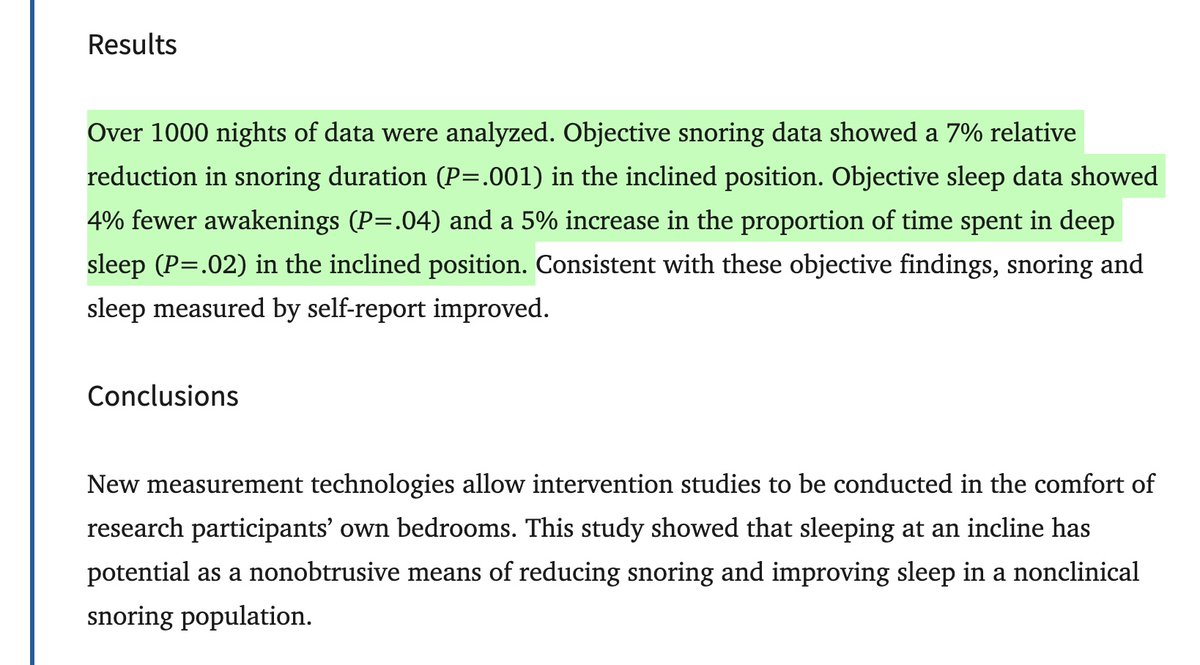
Sleeping at 12% heps

Posted in Uncategorized

Alcohol replacements

DrinkWhenAdd-insEffectReplaces
Black CoffeeMorningSharp alertnessMorning booze urge (none)
Yerba MateLate AM / Early PML-theanine (200 mg), ginger, lemon peelFocused, appetite-suppressing“One more coffee”
Assam / Black TeaAfternoonL-theanine (200–400 mg)Coffee-like edge, smootherAfternoon slump
Shou (Ripe) Pu-erhEveningGinger, optional beetGrounded calm, earthy warmthWhiskey / scotch
HojichaLate evening / nightL-theanine (200 mg)Settled, sleep-safeBeer wind-down
Hot Ginger + BeetNight / stressLemon peelChest warmth, body calmAlcohol warmth
CBD Tea / TinctureAs neededMild body calmStress drinking
Cigar (rare)Occasional nightPu-erh or hojichaRitual, intensitySocial drinking
Posted in Uncategorized

THE TITAN CODE (v1.0)

🧠 1. Dopamine Law

  • Borrowed dopamine (alcohol, junk food, bar-hopping, “fuck it” nights)
    → feels good now
    steals tomorrow’s energy, mood, and discipline
  • Earned dopamine (lifting, running, writing, showing restraint)
    → feels harder upfront
    pays compound interest in confidence, calm, and identity
  • Rule: If it feels free, it isn’t. If it’s earned, it lasts.

🦇 2. The Bat Signal Rule

  • When urges hit, don’t solve the whole life
  • Just send the signal:
    • “I’m stressed.”
    • “I want to drink.”
    • “I want to disappear.”
  • Naming it breaks the spell.
    Awareness > willpower.

🧱 3. Identity Before Mood

  • You don’t train because you feel motivated
  • You train because this is what you do
  • Motivation follows action, not the other way around
  • You are building a body like a luxury item—not consumable, not replaceable, not bought.

🏃 4. Motion Is Medicine

  • Running = mental reset
  • Lifting = self-respect
  • Writing = meaning extraction
  • When stuck: move first, think later

🍕 5. Controlled Release > Collapse

  • Perfection is fragile
  • Planned imperfection is strong
  • If you release:
    • do it consciously
    • cap it
    • don’t spiral
  • One drink ≠ failure
    A spiral is failure.

🌆 6. Manhattan Pressure Effect

  • The city overstimulates freedom cravings
  • After intense days, your brain seeks:
    • control
    • indulgence
    • escape
  • Answer with structure, not chaos:
    • hotel lobbies
    • long walks
    • workouts
    • quiet third spaces

⏱️ 7. Friction Is the Enemy, Not Effort

  • You don’t fail from laziness
  • You fail from too many steps
  • Remove thinking:
    • same foods
    • same workouts
    • same routines
  • Less choice = more execution

🧪 8. Alcohol Is a False Warmth

  • It mimics:
    • relaxation
    • blood flow
    • relief
  • But it lies
  • Real warmth comes from:
    • movement
    • heat
    • breath
    • earned calm

🧠 9. Hyperfocus Is a Tool—Not a Master

  • You don’t lack discipline
  • You over-concentrate on inputs
  • Shift from:
    • consuming content
      → to
    • producing output
  • One rep beats ten videos.

🛡️ 10. Self-Trust Is the Real Goal

  • Every kept promise = armor
  • Every avoided spiral = confidence
  • You are not fixing yourself
  • You are forging someone reliable
Posted in Uncategorized

🦇 Batman Protocol – A new thing

I have been using AI to help me figure shit out. Like mental coaching.

It is identifying some really interesting insights about msyelf

Training, running, writing, discipline — these aren’t chores.
They are how you earn peace.

  • Borrowed Dopamine vs. Earned Dopamine
  • Food abuse = Stress + Alcohol
  • I crave FREEDOM not indulgence
  • Environmental pressures
  • MASSIVE BLOCKER
    • I consume elite fitness content obsessively
    • But my action lags, which feels productive.
    • I dont need more information, I need execution rituals
  • My body is a luxury asset
  • I respect SYSTEM over WILLPOWER
  • Regulate anxiety through exertion and pain
  • Control > Abstinence
  • MOTIVATED BY IDENTITY not shame
  • You recover faster than you think. Spiral happens due to self judgement

Posted in Uncategorized

Everyone keeps saying the same stuff

  1. Eat a LOT of protein
  2. Incline walk
  3. Lift weights
  4. Sleep 8 hours

I am not doing any of this. And I am not seeing anything. So maybe that explains this.

Posted in Uncategorized

Sleep fast

  • Let the mind to let go
  • Slow exhale
  • Inhale 4 seconds. Exhale 8 seconds. You are safe
  • Relax the tongue
  • Attention on the feet. Feel the weight.
Posted in Uncategorized

Every man spends a summer to reach physical peak

A man should dedicate a summer – intense focus – to get RIPPED

Eat bodyweight (in lbs) x 10-12 calories daily (more on higher activity days, less on lower)

Eat 1g of protein per pound of bodyweight (if you’re starting more overweight you can aim for goal bodyweight)

10K+ steps daily and progressively more cardio sessions (0 – month 1, 2-3×45 minutes/wk month 2, 5-6×45 minutes month 3)

Lifted 5x/week on a push, pull, legs, rest, upper, lower, rest split with a focus on:

  • every set ending near failure
  • fighting to get stronger week by week
  • managing volume (less volume towards end of the cut for recovery)
  1. Limited alcohol to only a few drinks/month
  2. Slept 7 hours/night minimum
  3. 5g creatine daily
  4. Drank around a .75-1 gallon of water + electrolytes daily
  5. Refeed days (bodyweight x 15 calorie goal), 1x/wk in month 3

The framework is really this simple to drop body fat.

Adjustments will need to be made based on biofeedback & weight data.

If you aren’t losing at a rate of 0.5-1% bodyweight per week, you must:

and/or decrease your average weekly calorie intake.

increase your average weekly movement (steps or cardio minutes)

Posted in Uncategorized