TLDR:
- Nose breath
A healthy person has thousand wishes. A sick one has one

Here’s a summary of the video about the importance of nasal breathing:
- The nose is the ideal breathing organ, designed for over 30 functions including filtering, heating, and humidifying air [01:10].
- Nasal breathing produces six times more nitric oxide than mouth breathing, which is crucial for circulation, vasodilation, and fighting viruses and bacteria [01:37].
- Humming can significantly increase nitric oxide production and stimulate the vagus nerve, promoting calmness [02:31].
- Nasal breathing patterns may aid in the rehabilitation of individuals with long COVID and acute cases [05:11].
- Poor breathing habits in children, often linked to underdeveloped facial structures, can lead to health issues like ADHD and poor academic performance [05:48].
- The shift to softer, industrialized foods has contributed to smaller mouths and airways, making proper breathing difficult [08:53].
- Ancestors had stronger facial structures and larger airways due to prolonged breastfeeding and chewing on tougher foods [11:12].
- Parents should monitor children for mouth breathing or audible breathing during sleep, as these are red flags for serious health problems [15:04].

Here are the key takeaways from the video featuring Dr. William Li:
- Importance of Healthy Blood Vessels [00:13]: Healthy blood vessels are crucial for overall health, impacting brain health, cognition, mood, skin, and the immune system.
- Food’s Impact on Blood Vessels [00:53]:
- Olive Oil and Olives [01:08]: Beneficial due to polyphenols and fiber.
- Leafy Green and Brassica Vegetables [01:23]: Foods like broccoli and kale contain isothiocyanates, which create sulforaphanes that help lower harmful body fat, reduce inflammation, and protect blood vessel walls [01:50].
- Dietary Fiber and Gut Health [03:46]: Leafy greens provide fiber that feeds healthy gut bacteria, producing short-chain fatty acids that reduce inflammation.
- Foods for Fat Burning and Waistline Reduction [18:52]:
- Brown Fat and Metabolism [08:58]: Cold exposure can activate brown fat, which helps with metabolism and burns calories.
- Personalized Health Approach [01:57:50]: Health is personal, and individuals should understand how their bodies respond to different foods and activities.
- Information Overload and Trusted Sources [01:58:51]: Be discerning about health information, and seek out trusted experts who are trained in health and conduct research [01:59:48].
- Query successful
Try again without apps
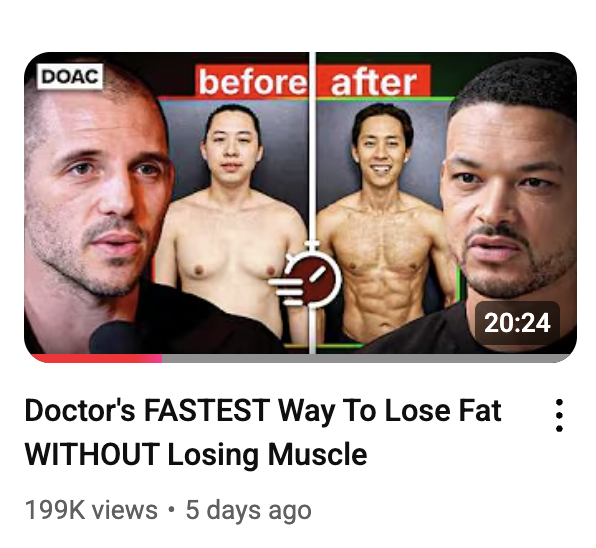
Here’s a summary of the video about fat loss:
- Understanding Fat Loss [00:29]: Fat loss should focus on losing fat while preserving muscle mass and ensuring long-term weight maintenance.
- Importance of Adherence [01:30]: The most crucial factor for successful long-term fat loss is consistent adherence to both workout and nutrition programs.
- Personalized Approach to Nutrition and Exercise [02:12]:
- Genetic Testing Limitations [04:03]: Genetic testing for precision nutrition can be unreliable if it doesn’t account for genetic background.
- Foundational Principles for Fat Loss [06:16]:
- Avoiding Scarcity Mindset [06:51]: Feeling deprived leads to inconsistency and the yo-yo effect.
- Speaker’s Personal Workout Standards [07:15]: The speaker balances anaerobic strength training/high heart rate activities with steady-state longer duration activities.
- Strength Training Before Endurance [08:05]: Performing strength training before endurance work is recommended as it doesn’t compromise endurance and can enhance it.
- The Future of Human Health – Digital Twin Project [09:14]:
- Ethical and Societal Implications of Technology [11:44]:
- Challenges in Health and Performance Assessment [16:16]:
- Assessment: Gathering comprehensive data is the first step [16:21].
- Qualification (Polaris): There’s a lack of clear metrics for “healthy” or “great” across different ethnicities [16:27].
- Intervention: Determining optimal interventions is still limited, highlighting the continued value of human experts [17:40].
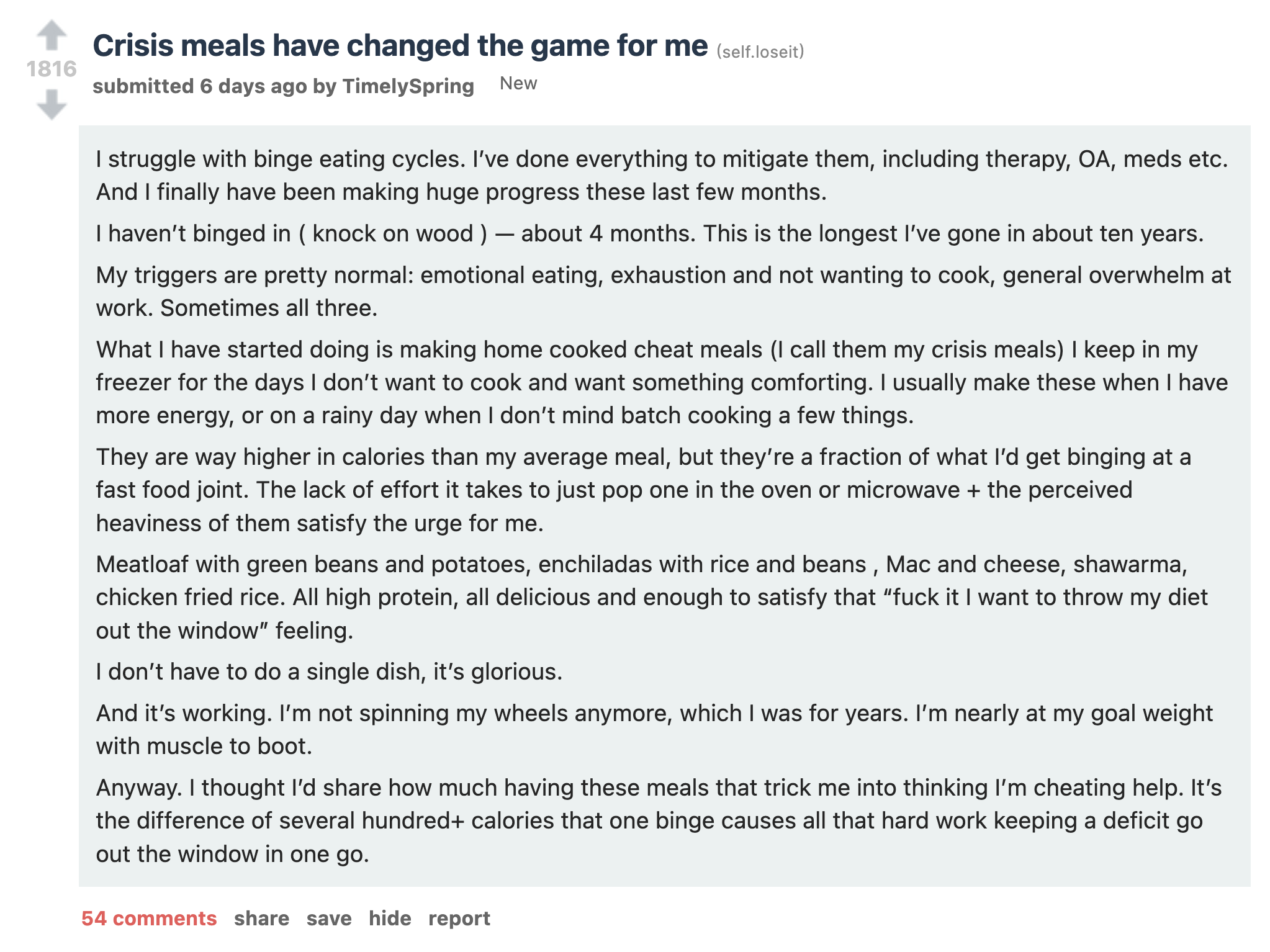
If you do miss, MISS SMALL
Meaning, if you do go into a carpe diem hole – dont go too far. Control the tail events.
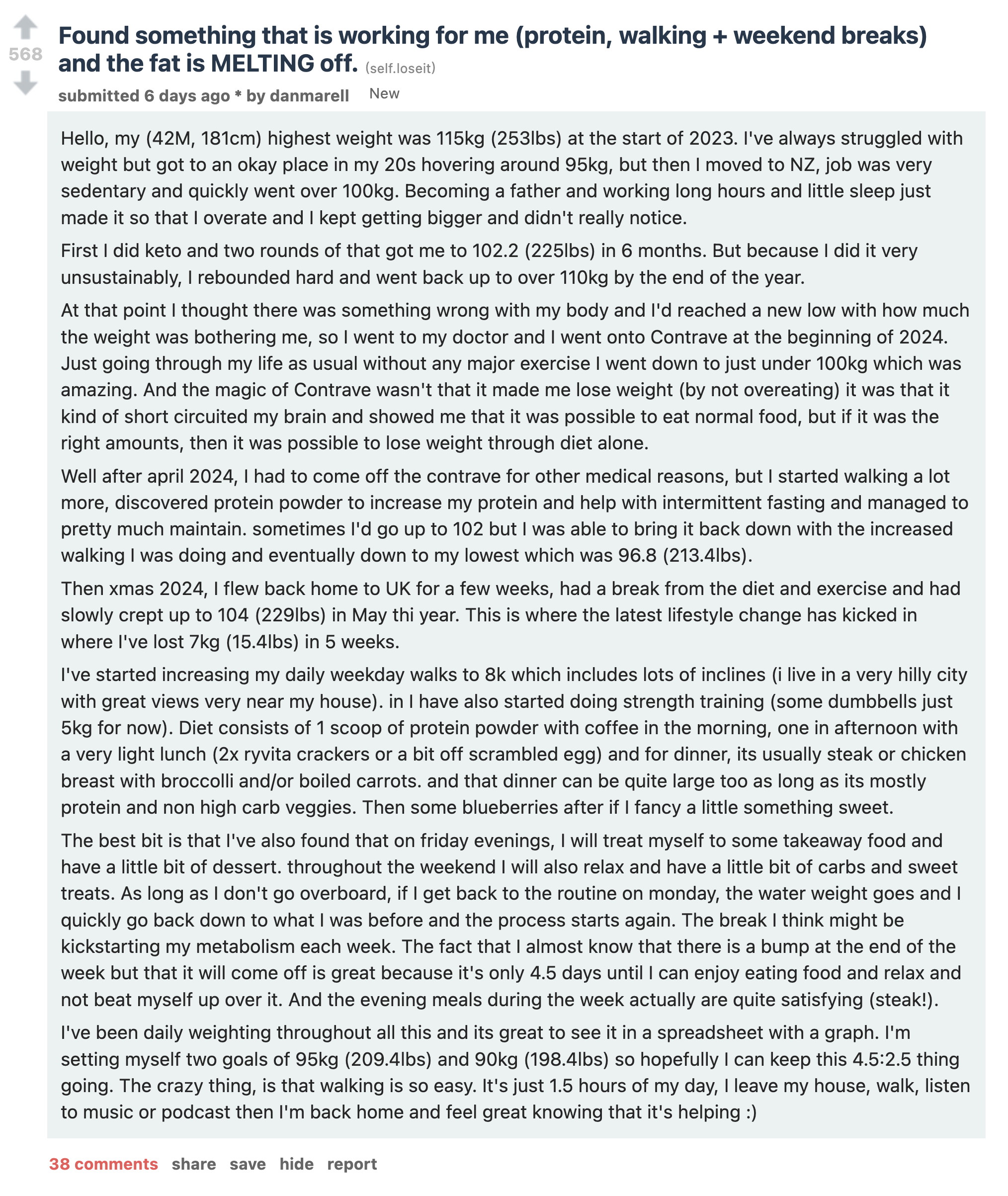

 The Rolex Life
Leave a comment